Conditions
Bell’s Palsy Protocol Acid Reflux and GERD Acne Protocol Allergies, Asthma, and Eczema Anemia Ankylosing Spondylitis Protocol Arrhythmia and Afib Protocol Asthma Protocol Atherosclerosis ATP + Attention Deficit Hyperactivity Disorder (ADHD) Atypical Bacterial and Mycobacterial Infections- Respiratory Avascular Necrosis & PS Baker's Cyst Bone Fracture Protocol Bone Spur Bronchiectasis Bulging and Herniated Disc Protocol Bunion Bursitis C. Difficile Cancer Care Candida & Fungal Infections Protocol Cardiovascular Cataracts Protocol Chronic Kidney Disease (CKD) Protocol Cold and Flu Concussion Treatment COPD, Emphysema, and Chronic Bronchitis Protocol Cyst Protocol Cystic Fibrosis Digestive Tract Bacterial and Viral Infections Diverticulitis Dupuytren Contracture Ear Infection & Tinnitus Eczema & Atopic Dermatitis Erectile Dysfunction (ED) Protocol Fatty Liver Disease & Hepatitis Protocol Female Infertility Fibromyalgia Food Allergies and Intolerances Frozen Shoulder & Rotator Cuff Injury Gallbladder Stone Glaucoma & Cataracts Protocol Gout Hair Loss Protocol Hashimoto's Thyroiditis Heart Inflammation Heavy Metal Toxicity Hernia High Blood Pressure Hip Pain Protocol Hyperlipidemia (High Cholesterol) IBD, Ulcerative Colitis, Crohn's Disease IBS Insomnia Kidney Stone Leaky Gut Liver Cirrhosis Long COVID Symptoms Low Testosterone Lupus Lyme Disease Macular Degeneration Male Infertility Men's Health Meniscus and Cartilage Tear Menopause Migraine and Headache Nervous System Viral Infections and Complications Neuropathy OA Customized Treatment Osteoarthritis and Bone-on-Bone Protocol Parasite Infection Protocol Parkinson's Disease PMS, Post Menstrual Syndrome, & Premenstrual Dysphoric Disorder Post-Surgical Wound Healing and Scar Removal Protocol Post-Viral Syndrome Prostate Enlargement Psoriasis and Psoriatic Arthritis Pulmonary Fibrosis & ILD Rheumatoid Arthritis Sarcoidosis Protocol Sinusitis Sinusitis and Nasal Congestion Protocol Skin & Nail Fungal Infections Protocol Sleep Apnea Protocol Sprains and Strains Staph & Strep Infections Stenosis and Bone Spur Stress, Anxiety, Depression Stress, Anxiety, PTSD and Depression Stroke and Post-Stroke Recovery Teeth & Gums Protocol Telomere + Tendinitis Thyroid Disorders Thyroid Disorders Protocol TMJ Syndrome Treatment Sequence Type II Diabetes Urinary Incontinence & Pelvic Organ Prolapse Protocol Uterine Fibroids & Ovarian Cysts UTI Viral Infections Vitiligo Protocol WeiDetox Weight Control Women's Health
Quick Links
Find a Practitioner Practitioner Sign Up Contact Us Subscribe to Monthly Newsletter
Condition
Bell’s Palsy Protocol Acid Reflux and GERD Acne Protocol Allergies, Asthma, and Eczema Anemia Ankylosing Spondylitis Protocol Arrhythmia and Afib Protocol Asthma Protocol Atherosclerosis ATP + Attention Deficit Hyperactivity Disorder (ADHD) Atypical Bacterial and Mycobacterial Infections- Respiratory Avascular Necrosis & PS Baker's Cyst Bone Fracture Protocol Bone Spur Bronchiectasis Bulging and Herniated Disc Protocol Bunion Bursitis C. Difficile Cancer Care Candida & Fungal Infections Protocol Cardiovascular Cataracts Protocol Chronic Kidney Disease (CKD) Protocol Cold and Flu Concussion Treatment COPD, Emphysema, and Chronic Bronchitis Protocol Cyst Protocol Cystic Fibrosis Digestive Tract Bacterial and Viral Infections Diverticulitis Dupuytren Contracture Ear Infection & Tinnitus Eczema & Atopic Dermatitis Erectile Dysfunction (ED) Protocol Fatty Liver Disease & Hepatitis Protocol Female Infertility Fibromyalgia Food Allergies and Intolerances Frozen Shoulder & Rotator Cuff Injury Gallbladder Stone Glaucoma & Cataracts Protocol Gout Hair Loss Protocol Hashimoto's Thyroiditis Heart Inflammation Heavy Metal Toxicity Hernia High Blood Pressure Hip Pain Protocol Hyperlipidemia (High Cholesterol) IBD, Ulcerative Colitis, Crohn's Disease IBS Insomnia Kidney Stone Leaky Gut Liver Cirrhosis Long COVID Symptoms Low Testosterone Lupus Lyme Disease Macular Degeneration Male Infertility Men's Health Meniscus and Cartilage Tear Menopause Migraine and Headache Nervous System Viral Infections and Complications Neuropathy OA Customized Treatment Osteoarthritis and Bone-on-Bone Protocol Parasite Infection Protocol Parkinson's Disease PMS, Post Menstrual Syndrome, & Premenstrual Dysphoric Disorder Post-Surgical Wound Healing and Scar Removal Protocol Post-Viral Syndrome Prostate Enlargement Psoriasis and Psoriatic Arthritis Pulmonary Fibrosis & ILD Rheumatoid Arthritis Sarcoidosis Protocol Sinusitis Sinusitis and Nasal Congestion Protocol Skin & Nail Fungal Infections Protocol Sleep Apnea Protocol Sprains and Strains Staph & Strep Infections Stenosis and Bone Spur Stress, Anxiety, Depression Stress, Anxiety, PTSD and Depression Stroke and Post-Stroke Recovery Teeth & Gums Protocol Telomere + Tendinitis Thyroid Disorders Thyroid Disorders Protocol TMJ Syndrome Treatment Sequence Type II Diabetes Urinary Incontinence & Pelvic Organ Prolapse Protocol Uterine Fibroids & Ovarian Cysts UTI Viral Infections Vitiligo Protocol WeiDetox Weight Control Women's Health
Condition of the Month-September 2026
Bunion

Login as practitioner to view Wellness Recommendation.


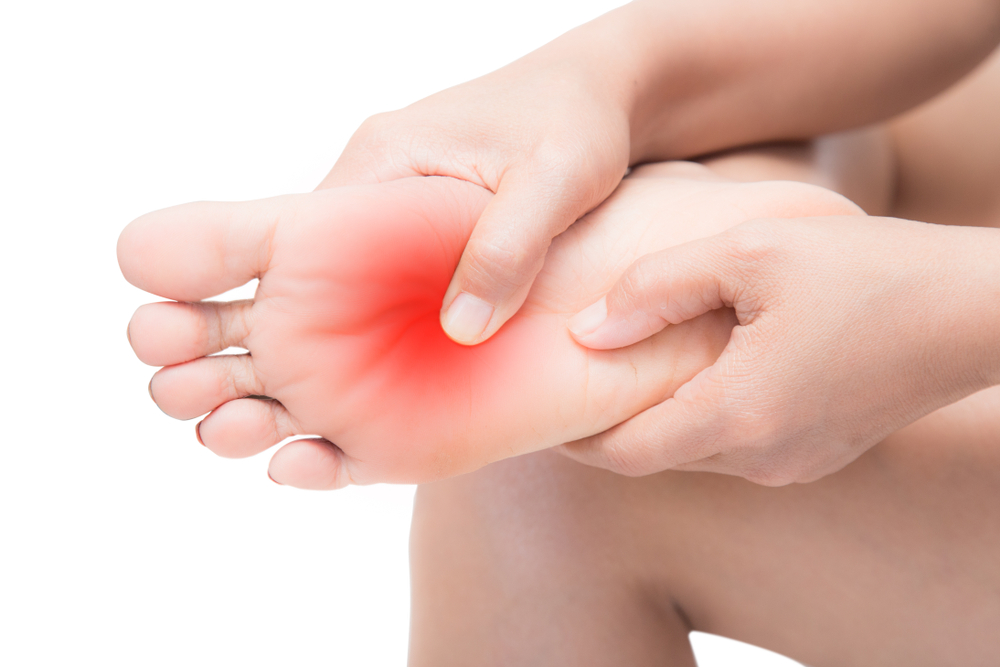
A bunion is a bony bump that forms on the joint at the base of the big toe (metatarsophalangeal joint). This is caused when the first metatarsal deviates toward the center-line of the body. This pushes the head of the metatarsal outward, forming a bony and soft tissue protrusion on the inside of the foot. This deviation tips the base of the big toe bone and the big toe itself toward the lesser toes. This forces the joint at the base of the big toe to protrude.

Although the exact cause of a bunion is unknown, there are many hypotheses. Factors likely include an inherited foot disorder, foot stress or injuries, or deformities present at birth. Bunions can also be associated with certain types of arthritis, particularly inflammatory types, such as rheumatoid arthritis. Erosion of the joints in the toes can cause them to shift and dislocate, causing bunions to form. Women are also more likely to develop a bunion, possibly the result of wearing tightly fitting shoes with a heel or a constricted toe box.

Bunions cause symptoms of swelling and redness around the big toe joint, corns or calluses, ongoing pain or pain that comes and goes, and limited movement of the big toe.

Wellness Recommendation

The wellness recommendation for a bunion includes the WHITEE Patch and LC Balancer. The WHITEE Patch helps repair joint damage, bone malalignment, and decreases inflammation. The WHITEE Patch accomplishes this by increasing local blood flow to supply the necessary nutrients for both joint and bone repair. The Patch also increases local lymphatic circulation and temperature to not only to clear away metabolic debris and inflammation but also increase the rate of healing reactions such as osteoblasts and collagen for repair. Some highlighted herbal ingredients in the WHITEE Patch include Myrrh, Twotooth Achyranthes Root, and Common Flowering Quince Fruit which have all been shown to increase blood flow, improve waste drainage, and activate the blood. The WHITEE Patch also helps to address factors that caused the bunion such as arthritis or joint/bone malalignment. LC Balancer, a kidney Yin formula, helps increase systemic microcirculation and improve nutrient absorption. Reishi Mushroom, one of the ingredients in LC Balancer, has been shown to have a positive effect on blood flow by increasing blood circulation and white blood cell count. Patients can experience symptom improvement within a few days and 4 weeks to 3 months (depending on severity) of the protocol is recommended for significant improvement


Login as practitioner to view Wellness Recommendation.

Condition of the Month-September 2026
Bunion

Login as practitioner to view Wellness Recommendation.


A bunion is a bony bump that forms on the joint at the base of the big toe (metatarsophalangeal joint). This is caused when the first metatarsal deviates toward the center-line of the body. This pushes the head of the metatarsal outward, forming a bony and soft tissue protrusion on the inside of the foot. This deviation tips the base of the big toe bone and the big toe itself toward the lesser toes. This forces the joint at the base of the big toe to protrude.

Although the exact cause of a bunion is unknown, there are many hypotheses. Factors likely include an inherited foot disorder, foot stress or injuries, or deformities present at birth. Bunions can also be associated with certain types of arthritis, particularly inflammatory types, such as rheumatoid arthritis. Erosion of the joints in the toes can cause them to shift and dislocate, causing bunions to form. Women are also more likely to develop a bunion, possibly the result of wearing tightly fitting shoes with a heel or a constricted toe box.

Bunions cause symptoms of swelling and redness around the big toe joint, corns or calluses, ongoing pain or pain that comes and goes, and limited movement of the big toe.

Wellness Recommendation

The wellness recommendation for a bunion includes the WHITEE Patch and LC Balancer. The WHITEE Patch helps repair joint damage, bone malalignment, and decreases inflammation. The WHITEE Patch accomplishes this by increasing local blood flow to supply the necessary nutrients for both joint and bone repair. The Patch also increases local lymphatic circulation and temperature to not only to clear away metabolic debris and inflammation but also increase the rate of healing reactions such as osteoblasts and collagen for repair. Some highlighted herbal ingredients in the WHITEE Patch include Myrrh, Twotooth Achyranthes Root, and Common Flowering Quince Fruit which have all been shown to increase blood flow, improve waste drainage, and activate the blood. The WHITEE Patch also helps to address factors that caused the bunion such as arthritis or joint/bone malalignment. LC Balancer, a kidney Yin formula, helps increase systemic microcirculation and improve nutrient absorption. Reishi Mushroom, one of the ingredients in LC Balancer, has been shown to have a positive effect on blood flow by increasing blood circulation and white blood cell count. Patients can experience symptom improvement within a few days and 4 weeks to 3 months (depending on severity) of the protocol is recommended for significant improvement

Login as practitioner to view Wellness Recommendation.


Explore Wei Laboratories