Conditions
Bell’s Palsy Protocol Acid Reflux and GERD Acne Protocol Allergies, Asthma, and Eczema Anemia Ankylosing Spondylitis Protocol Arrhythmia and Afib Protocol Asthma Protocol Atherosclerosis ATP + Attention Deficit Hyperactivity Disorder (ADHD) Atypical Bacterial and Mycobacterial Infections- Respiratory Avascular Necrosis & PS Baker's Cyst Bone Fracture Protocol Bone Spur Bronchiectasis Bulging and Herniated Disc Protocol Bunion Bursitis C. Difficile Cancer Care Candida & Fungal Infections Protocol Cardiovascular Cataracts Protocol Chronic Kidney Disease (CKD) Protocol Cold and Flu Concussion Treatment COPD, Emphysema, and Chronic Bronchitis Protocol Cyst Protocol Cystic Fibrosis Digestive Tract Bacterial and Viral Infections Diverticulitis Dupuytren Contracture Ear Infection & Tinnitus Eczema & Atopic Dermatitis Erectile Dysfunction (ED) Protocol Fatty Liver Disease & Hepatitis Protocol Female Infertility Fibromyalgia Food Allergies and Intolerances Frozen Shoulder & Rotator Cuff Injury Gallbladder Stone Glaucoma & Cataracts Protocol Gout Hair Loss Protocol Hashimoto's Thyroiditis Heart Inflammation Heavy Metal Toxicity Hernia High Blood Pressure Hip Pain Protocol Hyperlipidemia (High Cholesterol) IBD, Ulcerative Colitis, Crohn's Disease IBS Insomnia Kidney Stone Leaky Gut Liver Cirrhosis Long COVID Symptoms Low Testosterone Lupus Lyme Disease Macular Degeneration Male Infertility Men's Health Meniscus and Cartilage Tear Menopause Migraine and Headache Nervous System Viral Infections and Complications Neuropathy OA Customized Treatment Osteoarthritis and Bone-on-Bone Protocol Parasite Infection Protocol Parkinson's Disease PMS, Post Menstrual Syndrome, & Premenstrual Dysphoric Disorder Post-Surgical Wound Healing and Scar Removal Protocol Post-Viral Syndrome Prostate Enlargement Psoriasis and Psoriatic Arthritis Pulmonary Fibrosis & ILD Rheumatoid Arthritis Sarcoidosis Protocol Sinusitis Sinusitis and Nasal Congestion Protocol Skin & Nail Fungal Infections Protocol Sleep Apnea Protocol Sprains and Strains Staph & Strep Infections Stenosis and Bone Spur Stress, Anxiety, Depression Stress, Anxiety, PTSD and Depression Stroke and Post-Stroke Recovery Teeth & Gums Protocol Telomere + Tendinitis Thyroid Disorders Thyroid Disorders Protocol TMJ Syndrome Treatment Sequence Type II Diabetes Urinary Incontinence & Pelvic Organ Prolapse Protocol Uterine Fibroids & Ovarian Cysts UTI Viral Infections Vitiligo Protocol WeiDetox Weight Control Women's Health
Quick Links
Find a Practitioner Practitioner Sign Up Contact Us Subscribe to Monthly Newsletter
Condition
Bell’s Palsy Protocol Acid Reflux and GERD Acne Protocol Allergies, Asthma, and Eczema Anemia Ankylosing Spondylitis Protocol Arrhythmia and Afib Protocol Asthma Protocol Atherosclerosis ATP + Attention Deficit Hyperactivity Disorder (ADHD) Atypical Bacterial and Mycobacterial Infections- Respiratory Avascular Necrosis & PS Baker's Cyst Bone Fracture Protocol Bone Spur Bronchiectasis Bulging and Herniated Disc Protocol Bunion Bursitis C. Difficile Cancer Care Candida & Fungal Infections Protocol Cardiovascular Cataracts Protocol Chronic Kidney Disease (CKD) Protocol Cold and Flu Concussion Treatment COPD, Emphysema, and Chronic Bronchitis Protocol Cyst Protocol Cystic Fibrosis Digestive Tract Bacterial and Viral Infections Diverticulitis Dupuytren Contracture Ear Infection & Tinnitus Eczema & Atopic Dermatitis Erectile Dysfunction (ED) Protocol Fatty Liver Disease & Hepatitis Protocol Female Infertility Fibromyalgia Food Allergies and Intolerances Frozen Shoulder & Rotator Cuff Injury Gallbladder Stone Glaucoma & Cataracts Protocol Gout Hair Loss Protocol Hashimoto's Thyroiditis Heart Inflammation Heavy Metal Toxicity Hernia High Blood Pressure Hip Pain Protocol Hyperlipidemia (High Cholesterol) IBD, Ulcerative Colitis, Crohn's Disease IBS Insomnia Kidney Stone Leaky Gut Liver Cirrhosis Long COVID Symptoms Low Testosterone Lupus Lyme Disease Macular Degeneration Male Infertility Men's Health Meniscus and Cartilage Tear Menopause Migraine and Headache Nervous System Viral Infections and Complications Neuropathy OA Customized Treatment Osteoarthritis and Bone-on-Bone Protocol Parasite Infection Protocol Parkinson's Disease PMS, Post Menstrual Syndrome, & Premenstrual Dysphoric Disorder Post-Surgical Wound Healing and Scar Removal Protocol Post-Viral Syndrome Prostate Enlargement Psoriasis and Psoriatic Arthritis Pulmonary Fibrosis & ILD Rheumatoid Arthritis Sarcoidosis Protocol Sinusitis Sinusitis and Nasal Congestion Protocol Skin & Nail Fungal Infections Protocol Sleep Apnea Protocol Sprains and Strains Staph & Strep Infections Stenosis and Bone Spur Stress, Anxiety, Depression Stress, Anxiety, PTSD and Depression Stroke and Post-Stroke Recovery Teeth & Gums Protocol Telomere + Tendinitis Thyroid Disorders Thyroid Disorders Protocol TMJ Syndrome Treatment Sequence Type II Diabetes Urinary Incontinence & Pelvic Organ Prolapse Protocol Uterine Fibroids & Ovarian Cysts UTI Viral Infections Vitiligo Protocol WeiDetox Weight Control Women's Health
Condition of the Month-October 2026
Anemia

Login as practitioner to view Wellness Recommendation.


Anemia is defined as a reduction in one or more of the major red blood cell measurements: hemoglobin concentration, hematocrit, or red blood cell count. Hemoglobin is an iron-rich protein that gives the red color to blood. It carries oxygen from the lungs to the rest of the body. Anemia has three main causes: blood loss, lack of red blood cell production, and high rates of red blood cell destruction. While some types of anemia are short-term and mild, others can last for a lifetime. Left untreated, anemia may be life-threatening. The National Kidney Foundation defines anemia as a hemoglobin concentration of less < 13.5 g/dL in men and < 12.0 g/dL in women.

There are many anemia types, some people are born with certain types of anemia (inherited), or develop due to chronic disease, or due to nutritional deficiencies, especially iron-deficiency.

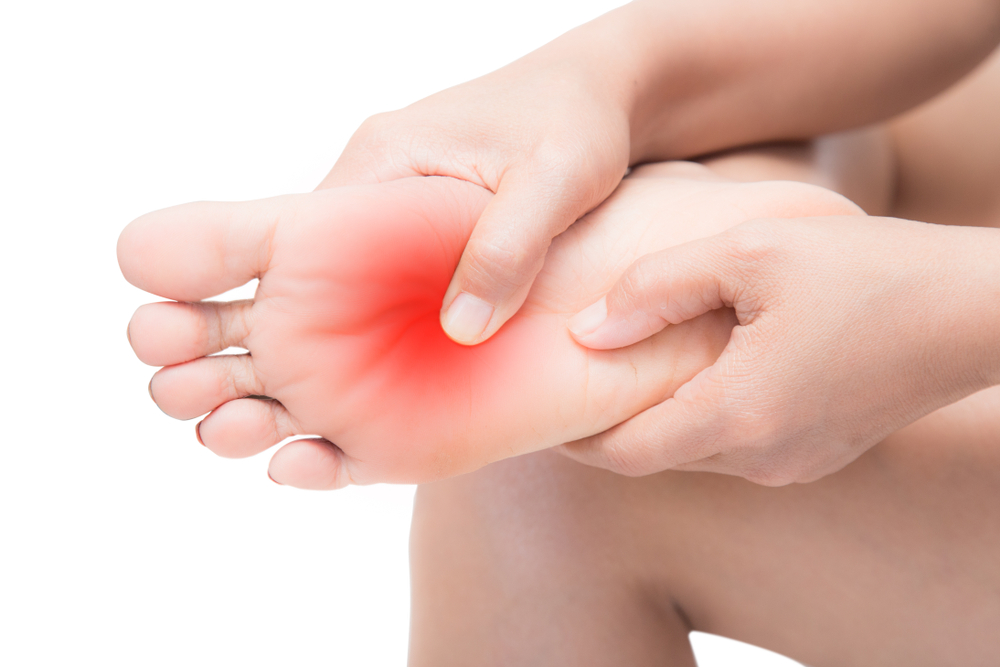
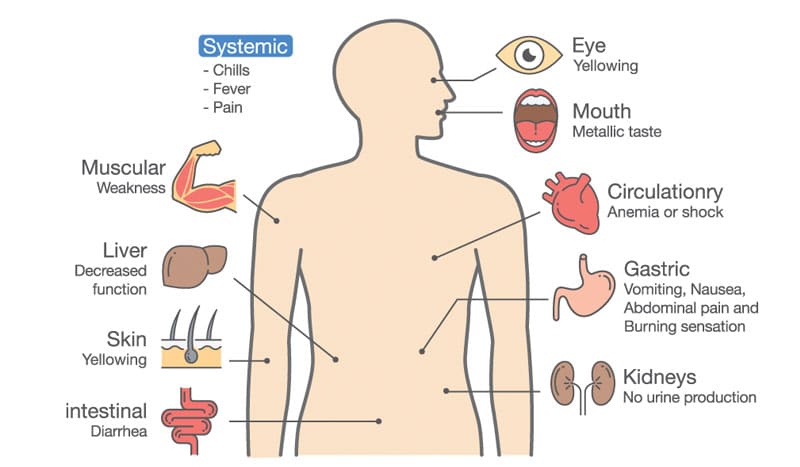
Anemia can cause physical and mental dysfunction due to a lack of oxygen supply to the body with symptoms of malaise, fatigue, weakness, dyspnea, impaired cognition, headache, dizziness, slow wound healing, skin rashes, cold hands and feet, and other symptoms such as impaired sexual function. It can also cause cold hands and feet, pale skin, irregular heartbeats, and chest pain.

New research has found a relationship between anemia and impaired thinking. In the elderly, mild anemia may be an independent risk factor for cognitive decline and executive function impairment such as problem solving, planning, and assessing dangers. Executive function impairment may happen early in the process with patients becoming unable to carry on with instrumental day-to-day living activities, such as shopping, cooking, taking medications, paying bills, walking, etc., then memory loss occurs.

Infections & Anemia

Mycobacterial infections frequently lead to the development of anemia. The mechanisms of anemia development during mycobacterial infections are not fully understood. Whether mycobacteria-induced anemia is due to iron restriction in response to infection or to a block in RBC formation is still a matter of debate. The development of anemia correlates with an increased risk of death in mycobacterium tuberculosis patients.

Viruses have also been linked to anemia. Epstein-Barr virus, cytomegalovirus, varicella-zoster virus, human herpes virus 6 (HHV-6), B19 parvovirus, human immunodeficiency virus, hepatitis A and C viruses and the putative viral agent associated with non-A-G post-hepatitis aplastic anemia have been reported in association with anemia. The ability of the bone marrow to generate copious amounts of blood cells required on a daily basis depends on a highly orchestrated process of proliferation and differentiation of hematopoietic stem and progenitor cells. This process can be rapidly adapted under stress conditions from viruses to meet the specific cellular needs of the immune response to the physiological changes. The virus itself and the ensuing immune response can have a tremendous impact on the hematopoietic process. Inflammatory cells produced by the immune system can cause hematopoietic cell death.

Iron Deficiency Anemia

Iron deficiency anemia is a type of anemia caused by an insufficient amount of iron. Without adequate iron, the body can't produce enough hemoglobin to support red blood cells to carry oxygen. As a result, the patient may experience tiredness and shortness of breath. The cause of iron deficiency anemia includes loss of blood, malnutrition without enough iron intake, low vitamin B12, as well as infections.

Iron is an essential element in maintaining oxygen carrying function by the red blood cells. Iron is also a critical nutrient for growth and survival for nearly all infectious microorganisms including bacteria, viruses, and fungus. Successful bacterial pathogens have therefore evolved to compete successfully for iron in a highly iron-stressed environment of the host's tissues and body fluids. On the other side, in reaction to an infection, the body has developed a protective mechanism to decrease iron levels and deprive microbes of iron to help the body get rid of the infection. The iron absorption in the digestive tract is under the control of a protein, hepcidin, produced by the liver. Hepcidin is a key regulator of the entry of iron into circulation in mammals. During infection or inflammation, the liver will release abnormally high amounts of hepcidin which suppresses gut iron absorption and triggers the macrophages and liver cells to trap the iron inside the cell, leading to a reduced serum iron level. When the infection and inflammation is over, the liver should decrease the secretion of hepcidin and iron absorption should return to normal. However, in some patients, their liver keeps secreting high levels of hepcidin resulting in long lasting decreased iron absorption which causes chronic iron deficiency anemia. For patients with chronic infections or inflammation, iron deficiency anemia is a common complication.

CKD & Anemia

The prevalence of CKD‐associated anemia is approximately 50%. The major causes of anemia in CKD patients are decreased erythropoietin (EPO) syntheses. EPO is a glycoprotein secreted by the kidneys interstitial fibroblasts and is essential for the growth and differentiation of red blood cells in the bone marrow. In CKD, tubular atrophy and tubulointerstitial fibrosis compromises renal erythropoietin synthetic capacity and results in anemia.

In CKD patients complicated with diabetes, anemia can contribute to retinopathy, neuropathy, or diabetic foot ulcer. Anemia can directly cause further progression of kidney disease. Renal ischemia due to reduced oxygen worsens renal medullary hypoxia, leading to renal interstitial injury and fibrosis. Anemia also causes increased renal sympathetic nerve activity, resulting in increased glomerular pressure and proteinuria which in turn accelerates the progression of kidney disease.

Under anemic conditions, the heart contracts harder to meet the body’s oxygen demand. Over time it causes left ventricular hypertrophy (LVH) and heart failure. Heart failure causes further renal function deterioration and leads to a vicious cycle termed the “cardiorenal anemia syndrome” which significantly increases morbidity and mortality of CKD patients.


Login as practitioner to view Wellness Recommendation.

Condition of the Month-October 2026
Anemia

Login as practitioner to view Wellness Recommendation.


Anemia is defined as a reduction in one or more of the major red blood cell measurements: hemoglobin concentration, hematocrit, or red blood cell count. Hemoglobin is an iron-rich protein that gives the red color to blood. It carries oxygen from the lungs to the rest of the body. Anemia has three main causes: blood loss, lack of red blood cell production, and high rates of red blood cell destruction. While some types of anemia are short-term and mild, others can last for a lifetime. Left untreated, anemia may be life-threatening. The National Kidney Foundation defines anemia as a hemoglobin concentration of less < 13.5 g/dL in men and < 12.0 g/dL in women.

There are many anemia types, some people are born with certain types of anemia (inherited), or develop due to chronic disease, or due to nutritional deficiencies, especially iron-deficiency.

Anemia can cause physical and mental dysfunction due to a lack of oxygen supply to the body with symptoms of malaise, fatigue, weakness, dyspnea, impaired cognition, headache, dizziness, slow wound healing, skin rashes, cold hands and feet, and other symptoms such as impaired sexual function. It can also cause cold hands and feet, pale skin, irregular heartbeats, and chest pain.

New research has found a relationship between anemia and impaired thinking. In the elderly, mild anemia may be an independent risk factor for cognitive decline and executive function impairment such as problem solving, planning, and assessing dangers. Executive function impairment may happen early in the process with patients becoming unable to carry on with instrumental day-to-day living activities, such as shopping, cooking, taking medications, paying bills, walking, etc., then memory loss occurs.

Infections & Anemia

Mycobacterial infections frequently lead to the development of anemia. The mechanisms of anemia development during mycobacterial infections are not fully understood. Whether mycobacteria-induced anemia is due to iron restriction in response to infection or to a block in RBC formation is still a matter of debate. The development of anemia correlates with an increased risk of death in mycobacterium tuberculosis patients.

Viruses have also been linked to anemia. Epstein-Barr virus, cytomegalovirus, varicella-zoster virus, human herpes virus 6 (HHV-6), B19 parvovirus, human immunodeficiency virus, hepatitis A and C viruses and the putative viral agent associated with non-A-G post-hepatitis aplastic anemia have been reported in association with anemia. The ability of the bone marrow to generate copious amounts of blood cells required on a daily basis depends on a highly orchestrated process of proliferation and differentiation of hematopoietic stem and progenitor cells. This process can be rapidly adapted under stress conditions from viruses to meet the specific cellular needs of the immune response to the physiological changes. The virus itself and the ensuing immune response can have a tremendous impact on the hematopoietic process. Inflammatory cells produced by the immune system can cause hematopoietic cell death.

Iron Deficiency Anemia

Iron deficiency anemia is a type of anemia caused by an insufficient amount of iron. Without adequate iron, the body can't produce enough hemoglobin to support red blood cells to carry oxygen. As a result, the patient may experience tiredness and shortness of breath. The cause of iron deficiency anemia includes loss of blood, malnutrition without enough iron intake, low vitamin B12, as well as infections.

Iron is an essential element in maintaining oxygen carrying function by the red blood cells. Iron is also a critical nutrient for growth and survival for nearly all infectious microorganisms including bacteria, viruses, and fungus. Successful bacterial pathogens have therefore evolved to compete successfully for iron in a highly iron-stressed environment of the host's tissues and body fluids. On the other side, in reaction to an infection, the body has developed a protective mechanism to decrease iron levels and deprive microbes of iron to help the body get rid of the infection. The iron absorption in the digestive tract is under the control of a protein, hepcidin, produced by the liver. Hepcidin is a key regulator of the entry of iron into circulation in mammals. During infection or inflammation, the liver will release abnormally high amounts of hepcidin which suppresses gut iron absorption and triggers the macrophages and liver cells to trap the iron inside the cell, leading to a reduced serum iron level. When the infection and inflammation is over, the liver should decrease the secretion of hepcidin and iron absorption should return to normal. However, in some patients, their liver keeps secreting high levels of hepcidin resulting in long lasting decreased iron absorption which causes chronic iron deficiency anemia. For patients with chronic infections or inflammation, iron deficiency anemia is a common complication.

CKD & Anemia

The prevalence of CKD‐associated anemia is approximately 50%. The major causes of anemia in CKD patients are decreased erythropoietin (EPO) syntheses. EPO is a glycoprotein secreted by the kidneys interstitial fibroblasts and is essential for the growth and differentiation of red blood cells in the bone marrow. In CKD, tubular atrophy and tubulointerstitial fibrosis compromises renal erythropoietin synthetic capacity and results in anemia.

In CKD patients complicated with diabetes, anemia can contribute to retinopathy, neuropathy, or diabetic foot ulcer. Anemia can directly cause further progression of kidney disease. Renal ischemia due to reduced oxygen worsens renal medullary hypoxia, leading to renal interstitial injury and fibrosis. Anemia also causes increased renal sympathetic nerve activity, resulting in increased glomerular pressure and proteinuria which in turn accelerates the progression of kidney disease.

Under anemic conditions, the heart contracts harder to meet the body’s oxygen demand. Over time it causes left ventricular hypertrophy (LVH) and heart failure. Heart failure causes further renal function deterioration and leads to a vicious cycle termed the “cardiorenal anemia syndrome” which significantly increases morbidity and mortality of CKD patients.

Login as practitioner to view Wellness Recommendation.


Explore Wei Laboratories