Conditions
Bell’s Palsy Protocol Acid Reflux and GERD Acne Protocol Allergies, Asthma, and Eczema Anemia Ankylosing Spondylitis Protocol Arrhythmia and Afib Protocol Asthma Protocol Atherosclerosis ATP + Attention Deficit Hyperactivity Disorder (ADHD) Atypical Bacterial and Mycobacterial Infections- Respiratory Avascular Necrosis & PS Baker's Cyst Bone Fracture Protocol Bone Spur Bronchiectasis Bulging and Herniated Disc Protocol Bunion Bursitis C. Difficile Cancer Care Candida & Fungal Infections Protocol Cardiovascular Cataracts Protocol Chronic Kidney Disease (CKD) Protocol Cold and Flu Concussion Treatment COPD, Emphysema, and Chronic Bronchitis Protocol Cyst Protocol Cystic Fibrosis Digestive Tract Bacterial and Viral Infections Diverticulitis Dupuytren Contracture Ear Infection & Tinnitus Eczema & Atopic Dermatitis Erectile Dysfunction (ED) Protocol Fatty Liver Disease & Hepatitis Protocol Female Infertility Fibromyalgia Food Allergies and Intolerances Frozen Shoulder & Rotator Cuff Injury Gallbladder Stone Glaucoma & Cataracts Protocol Gout Hair Loss Protocol Hashimoto's Thyroiditis Heart Inflammation Heavy Metal Toxicity Hernia High Blood Pressure Hip Pain Protocol Hyperlipidemia (High Cholesterol) IBD, Ulcerative Colitis, Crohn's Disease IBS Insomnia Kidney Stone Leaky Gut Liver Cirrhosis Long COVID Symptoms Low Testosterone Lupus Lyme Disease Macular Degeneration Male Infertility Men's Health Meniscus and Cartilage Tear Menopause Migraine and Headache Nervous System Viral Infections and Complications Neuropathy OA Customized Treatment Osteoarthritis and Bone-on-Bone Protocol Parasite Infection Protocol Parkinson's Disease PMS, Post Menstrual Syndrome, & Premenstrual Dysphoric Disorder Post-Surgical Wound Healing and Scar Removal Protocol Post-Viral Syndrome Prostate Enlargement Psoriasis and Psoriatic Arthritis Pulmonary Fibrosis & ILD Rheumatoid Arthritis Sarcoidosis Protocol Sinusitis Sinusitis and Nasal Congestion Protocol Skin & Nail Fungal Infections Protocol Sleep Apnea Protocol Sprains and Strains Staph & Strep Infections Stenosis and Bone Spur Stress, Anxiety, Depression Stress, Anxiety, PTSD and Depression Stroke and Post-Stroke Recovery Teeth & Gums Protocol Telomere + Tendinitis Thyroid Disorders Thyroid Disorders Protocol TMJ Syndrome Treatment Sequence Type II Diabetes Urinary Incontinence & Pelvic Organ Prolapse Protocol Uterine Fibroids & Ovarian Cysts UTI Viral Infections Vitiligo Protocol WeiDetox Weight Control Women's Health
Quick Links
Find a Practitioner Practitioner Sign Up Contact Us Subscribe to Monthly Newsletter
Condition
Bell’s Palsy Protocol Acid Reflux and GERD Acne Protocol Allergies, Asthma, and Eczema Anemia Ankylosing Spondylitis Protocol Arrhythmia and Afib Protocol Asthma Protocol Atherosclerosis ATP + Attention Deficit Hyperactivity Disorder (ADHD) Atypical Bacterial and Mycobacterial Infections- Respiratory Avascular Necrosis & PS Baker's Cyst Bone Fracture Protocol Bone Spur Bronchiectasis Bulging and Herniated Disc Protocol Bunion Bursitis C. Difficile Cancer Care Candida & Fungal Infections Protocol Cardiovascular Cataracts Protocol Chronic Kidney Disease (CKD) Protocol Cold and Flu Concussion Treatment COPD, Emphysema, and Chronic Bronchitis Protocol Cyst Protocol Cystic Fibrosis Digestive Tract Bacterial and Viral Infections Diverticulitis Dupuytren Contracture Ear Infection & Tinnitus Eczema & Atopic Dermatitis Erectile Dysfunction (ED) Protocol Fatty Liver Disease & Hepatitis Protocol Female Infertility Fibromyalgia Food Allergies and Intolerances Frozen Shoulder & Rotator Cuff Injury Gallbladder Stone Glaucoma & Cataracts Protocol Gout Hair Loss Protocol Hashimoto's Thyroiditis Heart Inflammation Heavy Metal Toxicity Hernia High Blood Pressure Hip Pain Protocol Hyperlipidemia (High Cholesterol) IBD, Ulcerative Colitis, Crohn's Disease IBS Insomnia Kidney Stone Leaky Gut Liver Cirrhosis Long COVID Symptoms Low Testosterone Lupus Lyme Disease Macular Degeneration Male Infertility Men's Health Meniscus and Cartilage Tear Menopause Migraine and Headache Nervous System Viral Infections and Complications Neuropathy OA Customized Treatment Osteoarthritis and Bone-on-Bone Protocol Parasite Infection Protocol Parkinson's Disease PMS, Post Menstrual Syndrome, & Premenstrual Dysphoric Disorder Post-Surgical Wound Healing and Scar Removal Protocol Post-Viral Syndrome Prostate Enlargement Psoriasis and Psoriatic Arthritis Pulmonary Fibrosis & ILD Rheumatoid Arthritis Sarcoidosis Protocol Sinusitis Sinusitis and Nasal Congestion Protocol Skin & Nail Fungal Infections Protocol Sleep Apnea Protocol Sprains and Strains Staph & Strep Infections Stenosis and Bone Spur Stress, Anxiety, Depression Stress, Anxiety, PTSD and Depression Stroke and Post-Stroke Recovery Teeth & Gums Protocol Telomere + Tendinitis Thyroid Disorders Thyroid Disorders Protocol TMJ Syndrome Treatment Sequence Type II Diabetes Urinary Incontinence & Pelvic Organ Prolapse Protocol Uterine Fibroids & Ovarian Cysts UTI Viral Infections Vitiligo Protocol WeiDetox Weight Control Women's Health
Condition of the Month-February 2024
Skin & Nail Fungal Infections Protocol

Login as practitioner to view Wellness Recommendation.


Fungus is any group of unicellular, multicellular, or spore producing organism, including yeast, molds, and mushrooms in the domain Eukaryota. Most fungi are harmless, but some are pathogenic and can cause infections in humans. In the case of skin fungal infections, or dermatophytes, fungus can survive solely on outer cornified layers of the skin. The ability of certain fungi to adhere to particular host arises from numerous mechanisms and host factors, including the ability to adapt to the human body. Natural infection is acquired by the deposition of viable arthrospores or hyphae on the surface of the susceptible individual. After the inoculation in the host skin, suitable conditions favor the infection to progress through the stages of adherence and penetration.

Skin Fungal Infection, Athlete’s Foot, and Ringworm:

Mycosis, or a skin fungal infection, is a skin disease caused by fungus. Since fungus live in the dirt, on plants, on household surfaces, and on the skin, they can lead to skin problems like rashes or bumps. A fungal infection on the skin might cause irritation, scaly skin, redness, itching, swelling, and blisters. Skin fungal infections can happen anywhere but some of the most common include athlete’s foot, jock itch, and ringworm.

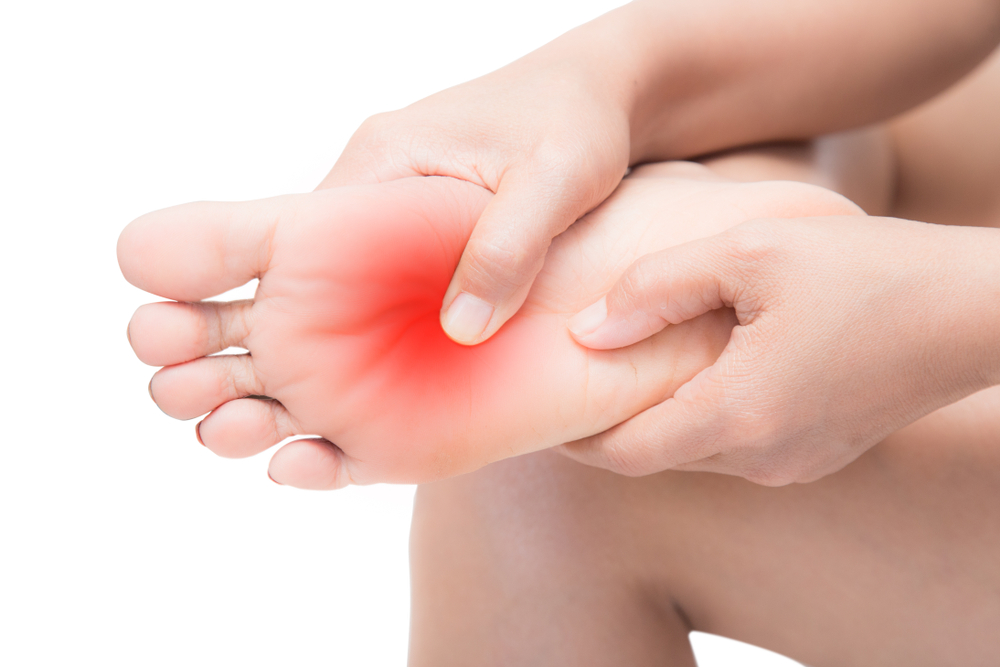
Signs of athlete’s foot include peeling, cracking and scaly feet, blisters, skin that’s red or broken down, itching, and burning. Jock itch is caused by a fungus called tinea. This infection occurs in moist areas like the genitals, inner thighs, and buttocks. Ring worm, also called tinea corporis, isn’t a worm but a fungal infection that forms a ring-shaped rash. It is a red, circular, flat sore that can happen along with scaly skin.

Nail Fungal Infection:

Fungal nail infections, also known as “onychomycosis,” are very common. Fungal toenail infections are more common than fungal fingernail infections. Fungal nail infections are caused by many different types of fungi that live in the environment. Small cracks in the nail or the surrounding skin can allow these germs to enter the nail and cause an infection. Most fungal nail infections are not serious. However, some people may experience pain or be bothered by the appearance of their nails. Fungal nail infections may cause nails to become discolored, thick, fragile, or cracked. The nail may also become separated from the nail bed. People who have fungal toenail infections often have a fungal skin infection on the foot, especially between the toes.


Login as practitioner to view Wellness Recommendation.

Condition of the Month-February 2024
Skin & Nail Fungal Infections Protocol

Login as practitioner to view Wellness Recommendation.


Fungus is any group of unicellular, multicellular, or spore producing organism, including yeast, molds, and mushrooms in the domain Eukaryota. Most fungi are harmless, but some are pathogenic and can cause infections in humans. In the case of skin fungal infections, or dermatophytes, fungus can survive solely on outer cornified layers of the skin. The ability of certain fungi to adhere to particular host arises from numerous mechanisms and host factors, including the ability to adapt to the human body. Natural infection is acquired by the deposition of viable arthrospores or hyphae on the surface of the susceptible individual. After the inoculation in the host skin, suitable conditions favor the infection to progress through the stages of adherence and penetration.

Skin Fungal Infection, Athlete’s Foot, and Ringworm:

Mycosis, or a skin fungal infection, is a skin disease caused by fungus. Since fungus live in the dirt, on plants, on household surfaces, and on the skin, they can lead to skin problems like rashes or bumps. A fungal infection on the skin might cause irritation, scaly skin, redness, itching, swelling, and blisters. Skin fungal infections can happen anywhere but some of the most common include athlete’s foot, jock itch, and ringworm.

Signs of athlete’s foot include peeling, cracking and scaly feet, blisters, skin that’s red or broken down, itching, and burning. Jock itch is caused by a fungus called tinea. This infection occurs in moist areas like the genitals, inner thighs, and buttocks. Ring worm, also called tinea corporis, isn’t a worm but a fungal infection that forms a ring-shaped rash. It is a red, circular, flat sore that can happen along with scaly skin.

Nail Fungal Infection:

Fungal nail infections, also known as “onychomycosis,” are very common. Fungal toenail infections are more common than fungal fingernail infections. Fungal nail infections are caused by many different types of fungi that live in the environment. Small cracks in the nail or the surrounding skin can allow these germs to enter the nail and cause an infection. Most fungal nail infections are not serious. However, some people may experience pain or be bothered by the appearance of their nails. Fungal nail infections may cause nails to become discolored, thick, fragile, or cracked. The nail may also become separated from the nail bed. People who have fungal toenail infections often have a fungal skin infection on the foot, especially between the toes.

Login as practitioner to view Wellness Recommendation.


Explore Wei Laboratories