Conditions
Bell’s Palsy Protocol Acid Reflux and GERD Acne Protocol Allergies, Asthma, and Eczema Anemia Ankylosing Spondylitis Protocol Arrhythmia and Afib Protocol Asthma Protocol Atherosclerosis ATP + Attention Deficit Hyperactivity Disorder (ADHD) Atypical Bacterial and Mycobacterial Infections- Respiratory Avascular Necrosis & PS Baker's Cyst Bone Fracture Protocol Bone Spur Bronchiectasis Bulging and Herniated Disc Protocol Bunion Bursitis C. Difficile Cancer Care Candida & Fungal Infections Protocol Cardiovascular Cataracts Protocol Chronic Kidney Disease (CKD) Protocol Cold and Flu Concussion Treatment COPD, Emphysema, and Chronic Bronchitis Protocol Cyst Protocol Cystic Fibrosis Digestive Tract Bacterial and Viral Infections Diverticulitis Dupuytren Contracture Ear Infection & Tinnitus Eczema & Atopic Dermatitis Erectile Dysfunction (ED) Protocol Fatty Liver Disease & Hepatitis Protocol Female Infertility Fibromyalgia Food Allergies and Intolerances Frozen Shoulder & Rotator Cuff Injury Gallbladder Stone Glaucoma & Cataracts Protocol Gout Hair Loss Protocol Hashimoto's Thyroiditis Heart Inflammation Heavy Metal Toxicity Hernia High Blood Pressure Hip Pain Protocol Hyperlipidemia (High Cholesterol) IBD, Ulcerative Colitis, Crohn's Disease IBS Insomnia Kidney Stone Leaky Gut Liver Cirrhosis Long COVID Symptoms Low Testosterone Lupus Lyme Disease Macular Degeneration Male Infertility Men's Health Meniscus and Cartilage Tear Menopause Migraine and Headache Nervous System Viral Infections and Complications Neuropathy OA Customized Treatment Osteoarthritis and Bone-on-Bone Protocol Parasite Infection Protocol Parkinson's Disease PMS, Post Menstrual Syndrome, & Premenstrual Dysphoric Disorder Post-Surgical Wound Healing and Scar Removal Protocol Post-Viral Syndrome Prostate Enlargement Psoriasis and Psoriatic Arthritis Pulmonary Fibrosis & ILD Rheumatoid Arthritis Sarcoidosis Protocol Sinusitis Sinusitis and Nasal Congestion Protocol Skin & Nail Fungal Infections Protocol Sleep Apnea Protocol Sprains and Strains Staph & Strep Infections Stenosis and Bone Spur Stress, Anxiety, Depression Stress, Anxiety, PTSD and Depression Stroke and Post-Stroke Recovery Teeth & Gums Protocol Telomere + Tendinitis Thyroid Disorders Thyroid Disorders Protocol TMJ Syndrome Treatment Sequence Type II Diabetes Urinary Incontinence & Pelvic Organ Prolapse Protocol Uterine Fibroids & Ovarian Cysts UTI Viral Infections Vitiligo Protocol WeiDetox Weight Control Women's Health
Quick Links
Find a Practitioner Practitioner Sign Up Contact Us Subscribe to Monthly Newsletter
Condition
Bell’s Palsy Protocol Acid Reflux and GERD Acne Protocol Allergies, Asthma, and Eczema Anemia Ankylosing Spondylitis Protocol Arrhythmia and Afib Protocol Asthma Protocol Atherosclerosis ATP + Attention Deficit Hyperactivity Disorder (ADHD) Atypical Bacterial and Mycobacterial Infections- Respiratory Avascular Necrosis & PS Baker's Cyst Bone Fracture Protocol Bone Spur Bronchiectasis Bulging and Herniated Disc Protocol Bunion Bursitis C. Difficile Cancer Care Candida & Fungal Infections Protocol Cardiovascular Cataracts Protocol Chronic Kidney Disease (CKD) Protocol Cold and Flu Concussion Treatment COPD, Emphysema, and Chronic Bronchitis Protocol Cyst Protocol Cystic Fibrosis Digestive Tract Bacterial and Viral Infections Diverticulitis Dupuytren Contracture Ear Infection & Tinnitus Eczema & Atopic Dermatitis Erectile Dysfunction (ED) Protocol Fatty Liver Disease & Hepatitis Protocol Female Infertility Fibromyalgia Food Allergies and Intolerances Frozen Shoulder & Rotator Cuff Injury Gallbladder Stone Glaucoma & Cataracts Protocol Gout Hair Loss Protocol Hashimoto's Thyroiditis Heart Inflammation Heavy Metal Toxicity Hernia High Blood Pressure Hip Pain Protocol Hyperlipidemia (High Cholesterol) IBD, Ulcerative Colitis, Crohn's Disease IBS Insomnia Kidney Stone Leaky Gut Liver Cirrhosis Long COVID Symptoms Low Testosterone Lupus Lyme Disease Macular Degeneration Male Infertility Men's Health Meniscus and Cartilage Tear Menopause Migraine and Headache Nervous System Viral Infections and Complications Neuropathy OA Customized Treatment Osteoarthritis and Bone-on-Bone Protocol Parasite Infection Protocol Parkinson's Disease PMS, Post Menstrual Syndrome, & Premenstrual Dysphoric Disorder Post-Surgical Wound Healing and Scar Removal Protocol Post-Viral Syndrome Prostate Enlargement Psoriasis and Psoriatic Arthritis Pulmonary Fibrosis & ILD Rheumatoid Arthritis Sarcoidosis Protocol Sinusitis Sinusitis and Nasal Congestion Protocol Skin & Nail Fungal Infections Protocol Sleep Apnea Protocol Sprains and Strains Staph & Strep Infections Stenosis and Bone Spur Stress, Anxiety, Depression Stress, Anxiety, PTSD and Depression Stroke and Post-Stroke Recovery Teeth & Gums Protocol Telomere + Tendinitis Thyroid Disorders Thyroid Disorders Protocol TMJ Syndrome Treatment Sequence Type II Diabetes Urinary Incontinence & Pelvic Organ Prolapse Protocol Uterine Fibroids & Ovarian Cysts UTI Viral Infections Vitiligo Protocol WeiDetox Weight Control Women's Health
Condition of the Month-November 2019
Kidney Stone

Login as practitioner to view Wellness Recommendation.


The kidneys filter unwanted substances from the blood and produce urine to excrete them. During the secretion phase of urine production, the filtrate flows into the renal tubule where essential ions are absorbed back into the capillaries while at the same time, waste ions, such as sodium and calcium, and hydrogen ions pass from the capillaries into the renal tubule where they combine with the filtrate and become urine. The urine passes into the collection duct where it eventually passes out of the kidneys into the ureter.
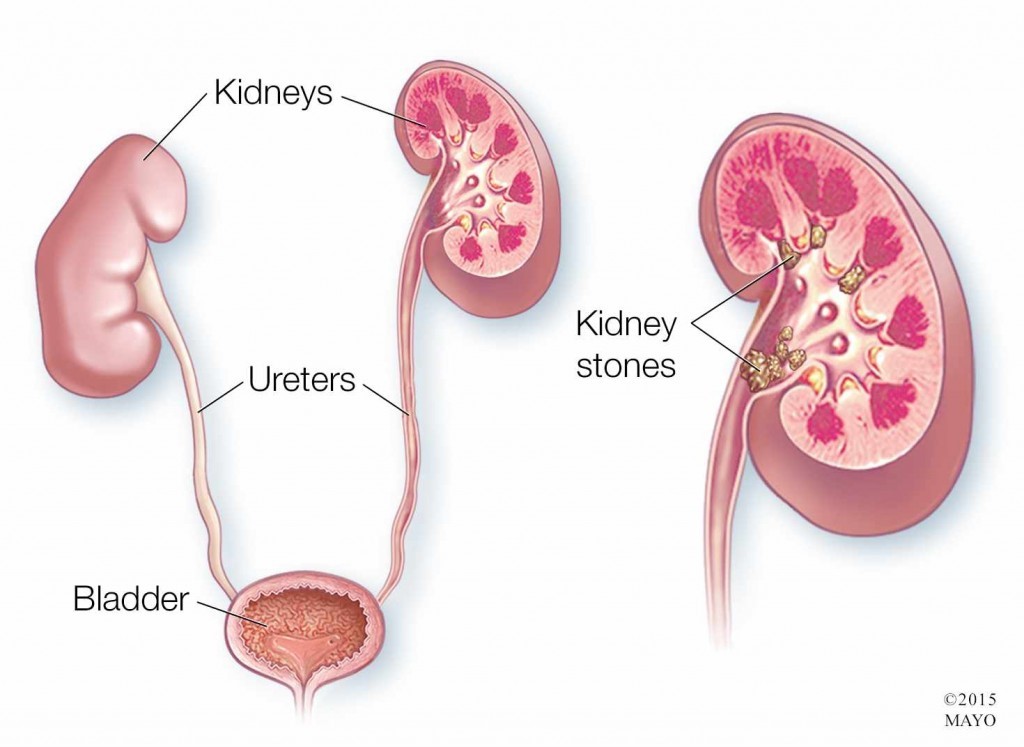


Kidney stones are hard deposits made of minerals and salts that develop in the kidneys. Kidney stones form as a consequence of increased urinary supersaturation with subsequent formation of crystalline products such as calcium, oxalate, and uric acid. Urinary supersaturation, as well as urine that lacks substances that prevent crystals from sticking together, creates an ideal environment for kidney stones to form. Most kidney stones are composed of calcium, usually in the form of calcium oxalate. Oxalate is a substance secreted by the liver but is also in some foods such as fruits and vegetables.

Some factors can contribute to the development of kidney stones such as family history, dehydration, certain diets, obesity, digestive diseases that affect the absorption of calcium and water, and renal tubular acidosis (RTA). RTA occurs when the kidneys fail to excrete acids into the urine, which causes the blood to remain too acidic. This leads to an excess of calcium deposition in the kidneys and that then develops into kidney stones, most likely calcium phosphate stones.

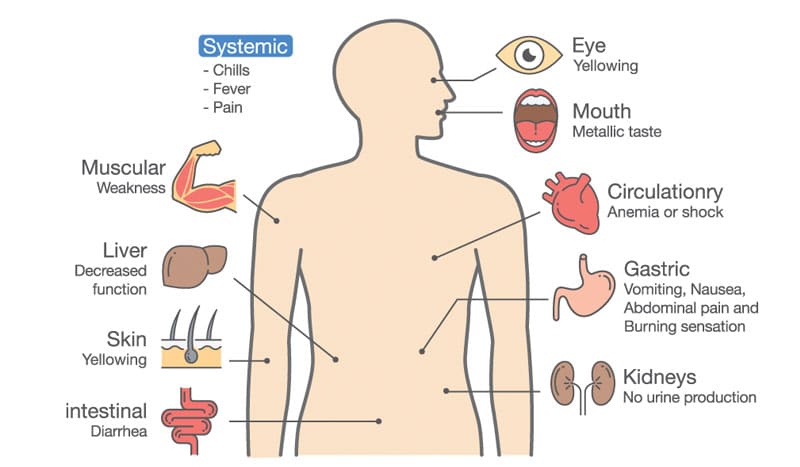
A kidney stone may not cause symptoms until it moves around within the kidney or passes into the ureter. These symptoms include severe pain in the side and back, pain that radiates to the lower abdomen, pain with urination, pink, red, or brown urine, nausea, urinary frequency, fever, and chills if an infection is present, and urinating small amounts. Viruses are small infectious agents that are composed of genetic material inside of a protein shell. Viruses can multiply only in living cells of animals, plants, or bacteria. They invade living cells and use them to multiply and produce more viruses. When this occurs, it can kill, damage, or change the cells leading to a viral infection. Viruses are transmitted in various ways such as through swallowing, inhalation, insect bites, sexual transmission, and contaminated blood transfusions. The most common viruses that infect humans include the influenza virus, hepatitis B, adenovirus, herpes virus, Epstein- Barr virus (EBV), cytomegalovirus, and the human immunodeficiency virus (HIV).


Login as practitioner to view Wellness Recommendation.

Condition of the Month-November 2019
Kidney Stone

Login as practitioner to view Wellness Recommendation.


The kidneys filter unwanted substances from the blood and produce urine to excrete them. During the secretion phase of urine production, the filtrate flows into the renal tubule where essential ions are absorbed back into the capillaries while at the same time, waste ions, such as sodium and calcium, and hydrogen ions pass from the capillaries into the renal tubule where they combine with the filtrate and become urine. The urine passes into the collection duct where it eventually passes out of the kidneys into the ureter.


Kidney stones are hard deposits made of minerals and salts that develop in the kidneys. Kidney stones form as a consequence of increased urinary supersaturation with subsequent formation of crystalline products such as calcium, oxalate, and uric acid. Urinary supersaturation, as well as urine that lacks substances that prevent crystals from sticking together, creates an ideal environment for kidney stones to form. Most kidney stones are composed of calcium, usually in the form of calcium oxalate. Oxalate is a substance secreted by the liver but is also in some foods such as fruits and vegetables.

Some factors can contribute to the development of kidney stones such as family history, dehydration, certain diets, obesity, digestive diseases that affect the absorption of calcium and water, and renal tubular acidosis (RTA). RTA occurs when the kidneys fail to excrete acids into the urine, which causes the blood to remain too acidic. This leads to an excess of calcium deposition in the kidneys and that then develops into kidney stones, most likely calcium phosphate stones.

A kidney stone may not cause symptoms until it moves around within the kidney or passes into the ureter. These symptoms include severe pain in the side and back, pain that radiates to the lower abdomen, pain with urination, pink, red, or brown urine, nausea, urinary frequency, fever, and chills if an infection is present, and urinating small amounts. Viruses are small infectious agents that are composed of genetic material inside of a protein shell. Viruses can multiply only in living cells of animals, plants, or bacteria. They invade living cells and use them to multiply and produce more viruses. When this occurs, it can kill, damage, or change the cells leading to a viral infection. Viruses are transmitted in various ways such as through swallowing, inhalation, insect bites, sexual transmission, and contaminated blood transfusions. The most common viruses that infect humans include the influenza virus, hepatitis B, adenovirus, herpes virus, Epstein- Barr virus (EBV), cytomegalovirus, and the human immunodeficiency virus (HIV).

Login as practitioner to view Wellness Recommendation.


Explore Wei Laboratories