Conditions
Bell’s Palsy Protocol Acid Reflux and GERD Acne Protocol Allergies, Asthma, and Eczema Anemia Ankylosing Spondylitis Protocol Arrhythmia and Afib Protocol Asthma Protocol Atherosclerosis ATP + Attention Deficit Hyperactivity Disorder (ADHD) Atypical Bacterial and Mycobacterial Infections- Respiratory Avascular Necrosis & PS Baker's Cyst Bone Fracture Protocol Bone Spur Bronchiectasis Bulging and Herniated Disc Protocol Bunion Bursitis C. Difficile Cancer Care Candida & Fungal Infections Protocol Cardiovascular Cataracts Protocol Chronic Kidney Disease (CKD) Protocol Cold and Flu Concussion Treatment COPD, Emphysema, and Chronic Bronchitis Protocol Cyst Protocol Cystic Fibrosis Digestive Tract Bacterial and Viral Infections Diverticulitis Dupuytren Contracture Ear Infection & Tinnitus Eczema & Atopic Dermatitis Erectile Dysfunction (ED) Protocol Fatty Liver Disease & Hepatitis Protocol Female Infertility Fibromyalgia Food Allergies and Intolerances Frozen Shoulder & Rotator Cuff Injury Gallbladder Stone Glaucoma & Cataracts Protocol Gout Hair Loss Protocol Hashimoto's Thyroiditis Heart Inflammation Heavy Metal Toxicity Hernia High Blood Pressure Hip Pain Protocol Hyperlipidemia (High Cholesterol) IBD, Ulcerative Colitis, Crohn's Disease IBS Insomnia Kidney Stone Leaky Gut Liver Cirrhosis Long COVID Symptoms Low Testosterone Lupus Lyme Disease Macular Degeneration Male Infertility Men's Health Meniscus and Cartilage Tear Menopause Migraine and Headache Nervous System Viral Infections and Complications Neuropathy OA Customized Treatment Osteoarthritis and Bone-on-Bone Protocol Parasite Infection Protocol Parkinson's Disease PMS, Post Menstrual Syndrome, & Premenstrual Dysphoric Disorder Post-Surgical Wound Healing and Scar Removal Protocol Post-Viral Syndrome Prostate Enlargement Psoriasis and Psoriatic Arthritis Pulmonary Fibrosis & ILD Rheumatoid Arthritis Sarcoidosis Protocol Sinusitis Sinusitis and Nasal Congestion Protocol Skin & Nail Fungal Infections Protocol Sleep Apnea Protocol Sprains and Strains Staph & Strep Infections Stenosis and Bone Spur Stress, Anxiety, Depression Stress, Anxiety, PTSD and Depression Stroke and Post-Stroke Recovery Teeth & Gums Protocol Telomere + Tendinitis Thyroid Disorders Thyroid Disorders Protocol TMJ Syndrome Treatment Sequence Type II Diabetes Urinary Incontinence & Pelvic Organ Prolapse Protocol Uterine Fibroids & Ovarian Cysts UTI Viral Infections Vitiligo Protocol WeiDetox Weight Control Women's Health
Quick Links
Find a Practitioner Practitioner Sign Up Contact Us Subscribe to Monthly Newsletter
Condition
Bell’s Palsy Protocol Acid Reflux and GERD Acne Protocol Allergies, Asthma, and Eczema Anemia Ankylosing Spondylitis Protocol Arrhythmia and Afib Protocol Asthma Protocol Atherosclerosis ATP + Attention Deficit Hyperactivity Disorder (ADHD) Atypical Bacterial and Mycobacterial Infections- Respiratory Avascular Necrosis & PS Baker's Cyst Bone Fracture Protocol Bone Spur Bronchiectasis Bulging and Herniated Disc Protocol Bunion Bursitis C. Difficile Cancer Care Candida & Fungal Infections Protocol Cardiovascular Cataracts Protocol Chronic Kidney Disease (CKD) Protocol Cold and Flu Concussion Treatment COPD, Emphysema, and Chronic Bronchitis Protocol Cyst Protocol Cystic Fibrosis Digestive Tract Bacterial and Viral Infections Diverticulitis Dupuytren Contracture Ear Infection & Tinnitus Eczema & Atopic Dermatitis Erectile Dysfunction (ED) Protocol Fatty Liver Disease & Hepatitis Protocol Female Infertility Fibromyalgia Food Allergies and Intolerances Frozen Shoulder & Rotator Cuff Injury Gallbladder Stone Glaucoma & Cataracts Protocol Gout Hair Loss Protocol Hashimoto's Thyroiditis Heart Inflammation Heavy Metal Toxicity Hernia High Blood Pressure Hip Pain Protocol Hyperlipidemia (High Cholesterol) IBD, Ulcerative Colitis, Crohn's Disease IBS Insomnia Kidney Stone Leaky Gut Liver Cirrhosis Long COVID Symptoms Low Testosterone Lupus Lyme Disease Macular Degeneration Male Infertility Men's Health Meniscus and Cartilage Tear Menopause Migraine and Headache Nervous System Viral Infections and Complications Neuropathy OA Customized Treatment Osteoarthritis and Bone-on-Bone Protocol Parasite Infection Protocol Parkinson's Disease PMS, Post Menstrual Syndrome, & Premenstrual Dysphoric Disorder Post-Surgical Wound Healing and Scar Removal Protocol Post-Viral Syndrome Prostate Enlargement Psoriasis and Psoriatic Arthritis Pulmonary Fibrosis & ILD Rheumatoid Arthritis Sarcoidosis Protocol Sinusitis Sinusitis and Nasal Congestion Protocol Skin & Nail Fungal Infections Protocol Sleep Apnea Protocol Sprains and Strains Staph & Strep Infections Stenosis and Bone Spur Stress, Anxiety, Depression Stress, Anxiety, PTSD and Depression Stroke and Post-Stroke Recovery Teeth & Gums Protocol Telomere + Tendinitis Thyroid Disorders Thyroid Disorders Protocol TMJ Syndrome Treatment Sequence Type II Diabetes Urinary Incontinence & Pelvic Organ Prolapse Protocol Uterine Fibroids & Ovarian Cysts UTI Viral Infections Vitiligo Protocol WeiDetox Weight Control Women's Health
Condition of the Month-September 2023
C. Difficile

Login as practitioner to view Wellness Recommendation.


C. diff (also known as Clostridioides difficile or C. difficile) is a gram-positive bacterium that causes diarrhea and colitis (inflammation of the colon). C. Diff can affect anyone but most commonly occurs after antibiotic use. There are other risk factors which include being 65 or older, a recent hospital stay, a weakened immune system, or a previous C. diff infection. It is estimated that almost half a million C. diff infections occur every year in the United States alone. C. diff is contagious and about 1 in 6 patients who get C. diff will get it again in the subsequent 2-8 weeks.

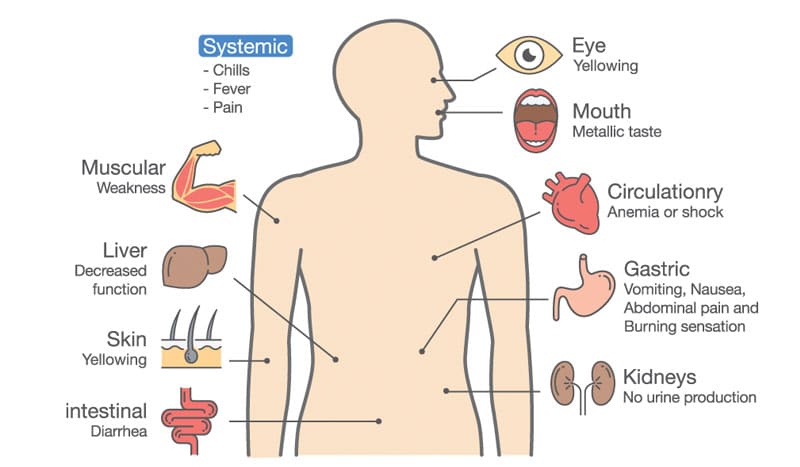
Symptoms of C. diff often begin within 5 to 10 days after starting an antibiotic and can include diarrhea, fever, stomach pain and tenderness, loss of appetite, and nausea. A C. diff infection that is severe and sudden can cause the colon to become inflamed and get larger, called toxic megacolon. Infected tissues can bleed and produce pus which can cause sepsis leading to damage to the body’s own tissues. Other complications include dehydration, kidney failure, bowel perforation, and in severe cases death.

C. diff bacteria enters the body through the mouth and begins replicating in the small intestine. When it reaches the colon, a part of the large intestine, the bacteria can release toxins and damage the tissue. These toxins destroy cells and cause watery diarrhea. Outside of the colon, the bacteria can live for a long time in spore form but are not active. The bacteria typically live in human or animal feces, surfaces in a room, unwashed hands, soil, water, and food. Spores are extremely resistant to disinfectants and can persist for more than 12 months in dry, inanimate environments with little loss of viability. When the bacteria find their way into a person’s digestive system, the spores germinate and grow out as a vegetative cell and become active again and cause infection. Some people carry C. diff bacteria in their intestines but never get sick from it – these people are carriers of the bacteria and spread the infection without being sick.

Clindamycin, Cephalosporins, Penicillins, and Fluoroquinolones are the antibiotics that most commonly lead to C. diff infections. The intestines host a wide array of bacteria, most of which protect the body from the infection. Antibiotics that treat an infection tend to destroy the helpful bacteria in the body as well as the bacteria causing infection. Without enough helpful bacteria, C. diff can grow out of control quickly. Proton pump inhibitors can also increase the risk of a C. diff infection by lowering stomach acid and changing the pH of the environment that helpful bacteria thrive in.

Candida, which is a part of the normal gut microbiota, can also cause infection due to antibiotic use. Studies have shown that a C. diff infection can predispose a Candida spp. overgrowth in the gut. C. diff was significantly associated with gut colonization by Candida spp. (83% in C. dif-positive vs. 67% in C. diff-negative), with Candida albicans being the species most often implicated.3 This phenomenon can be attributed to antibiotics use against both C. diff and/or the concomitant infections that precede C. diff colitis by reducing gut commensal competitors, as well as to direct interactions between Candida spp. and C. diff.


Login as practitioner to view Wellness Recommendation.

Condition of the Month-September 2023
C. Difficile

Login as practitioner to view Wellness Recommendation.


C. diff (also known as Clostridioides difficile or C. difficile) is a gram-positive bacterium that causes diarrhea and colitis (inflammation of the colon). C. Diff can affect anyone but most commonly occurs after antibiotic use. There are other risk factors which include being 65 or older, a recent hospital stay, a weakened immune system, or a previous C. diff infection. It is estimated that almost half a million C. diff infections occur every year in the United States alone. C. diff is contagious and about 1 in 6 patients who get C. diff will get it again in the subsequent 2-8 weeks.

Symptoms of C. diff often begin within 5 to 10 days after starting an antibiotic and can include diarrhea, fever, stomach pain and tenderness, loss of appetite, and nausea. A C. diff infection that is severe and sudden can cause the colon to become inflamed and get larger, called toxic megacolon. Infected tissues can bleed and produce pus which can cause sepsis leading to damage to the body’s own tissues. Other complications include dehydration, kidney failure, bowel perforation, and in severe cases death.

C. diff bacteria enters the body through the mouth and begins replicating in the small intestine. When it reaches the colon, a part of the large intestine, the bacteria can release toxins and damage the tissue. These toxins destroy cells and cause watery diarrhea. Outside of the colon, the bacteria can live for a long time in spore form but are not active. The bacteria typically live in human or animal feces, surfaces in a room, unwashed hands, soil, water, and food. Spores are extremely resistant to disinfectants and can persist for more than 12 months in dry, inanimate environments with little loss of viability. When the bacteria find their way into a person’s digestive system, the spores germinate and grow out as a vegetative cell and become active again and cause infection. Some people carry C. diff bacteria in their intestines but never get sick from it – these people are carriers of the bacteria and spread the infection without being sick.

Clindamycin, Cephalosporins, Penicillins, and Fluoroquinolones are the antibiotics that most commonly lead to C. diff infections. The intestines host a wide array of bacteria, most of which protect the body from the infection. Antibiotics that treat an infection tend to destroy the helpful bacteria in the body as well as the bacteria causing infection. Without enough helpful bacteria, C. diff can grow out of control quickly. Proton pump inhibitors can also increase the risk of a C. diff infection by lowering stomach acid and changing the pH of the environment that helpful bacteria thrive in.

Candida, which is a part of the normal gut microbiota, can also cause infection due to antibiotic use. Studies have shown that a C. diff infection can predispose a Candida spp. overgrowth in the gut. C. diff was significantly associated with gut colonization by Candida spp. (83% in C. dif-positive vs. 67% in C. diff-negative), with Candida albicans being the species most often implicated.3 This phenomenon can be attributed to antibiotics use against both C. diff and/or the concomitant infections that precede C. diff colitis by reducing gut commensal competitors, as well as to direct interactions between Candida spp. and C. diff.

Login as practitioner to view Wellness Recommendation.


Explore Wei Laboratories