Conditions
Bell’s Palsy Protocol Acid Reflux and GERD Acne Protocol Allergies, Asthma, and Eczema Anemia Ankylosing Spondylitis Protocol Arrhythmia and Afib Protocol Asthma Protocol Atherosclerosis ATP + Attention Deficit Hyperactivity Disorder (ADHD) Atypical Bacterial and Mycobacterial Infections- Respiratory Avascular Necrosis & PS Baker's Cyst Bone Fracture Protocol Bone Spur Bronchiectasis Bulging and Herniated Disc Protocol Bunion Bursitis C. Difficile Cancer Care Candida & Fungal Infections Protocol Cardiovascular Cataracts Protocol Chronic Kidney Disease (CKD) Protocol Cold and Flu Concussion Treatment COPD, Emphysema, and Chronic Bronchitis Protocol Cyst Protocol Cystic Fibrosis Digestive Tract Bacterial and Viral Infections Diverticulitis Dupuytren Contracture Ear Infection & Tinnitus Eczema & Atopic Dermatitis Erectile Dysfunction (ED) Protocol Fatty Liver Disease & Hepatitis Protocol Female Infertility Fibromyalgia Food Allergies and Intolerances Frozen Shoulder & Rotator Cuff Injury Gallbladder Stone Glaucoma & Cataracts Protocol Gout Hair Loss Protocol Hashimoto's Thyroiditis Heart Inflammation Heavy Metal Toxicity Hernia High Blood Pressure Hip Pain Protocol Hyperlipidemia (High Cholesterol) IBD, Ulcerative Colitis, Crohn's Disease IBS Insomnia Kidney Stone Leaky Gut Liver Cirrhosis Long COVID Symptoms Low Testosterone Lupus Lyme Disease Macular Degeneration Male Infertility Men's Health Meniscus and Cartilage Tear Menopause Migraine and Headache Nervous System Viral Infections and Complications Neuropathy OA Customized Treatment Osteoarthritis and Bone-on-Bone Protocol Parasite Infection Protocol Parkinson's Disease PMS, Post Menstrual Syndrome, & Premenstrual Dysphoric Disorder Post-Surgical Wound Healing and Scar Removal Protocol Post-Viral Syndrome Prostate Enlargement Psoriasis and Psoriatic Arthritis Pulmonary Fibrosis & ILD Rheumatoid Arthritis Sarcoidosis Protocol Sinusitis Sinusitis and Nasal Congestion Protocol Skin & Nail Fungal Infections Protocol Sleep Apnea Protocol Sprains and Strains Staph & Strep Infections Stenosis and Bone Spur Stress, Anxiety, Depression Stress, Anxiety, PTSD and Depression Stroke and Post-Stroke Recovery Teeth & Gums Protocol Telomere + Tendinitis Thyroid Disorders Thyroid Disorders Protocol TMJ Syndrome Treatment Sequence Type II Diabetes Urinary Incontinence & Pelvic Organ Prolapse Protocol Uterine Fibroids & Ovarian Cysts UTI Viral Infections Vitiligo Protocol WeiDetox Weight Control Women's Health
Quick Links
Find a Practitioner Practitioner Sign Up Contact Us Subscribe to Monthly Newsletter
Condition
Bell’s Palsy Protocol Acid Reflux and GERD Acne Protocol Allergies, Asthma, and Eczema Anemia Ankylosing Spondylitis Protocol Arrhythmia and Afib Protocol Asthma Protocol Atherosclerosis ATP + Attention Deficit Hyperactivity Disorder (ADHD) Atypical Bacterial and Mycobacterial Infections- Respiratory Avascular Necrosis & PS Baker's Cyst Bone Fracture Protocol Bone Spur Bronchiectasis Bulging and Herniated Disc Protocol Bunion Bursitis C. Difficile Cancer Care Candida & Fungal Infections Protocol Cardiovascular Cataracts Protocol Chronic Kidney Disease (CKD) Protocol Cold and Flu Concussion Treatment COPD, Emphysema, and Chronic Bronchitis Protocol Cyst Protocol Cystic Fibrosis Digestive Tract Bacterial and Viral Infections Diverticulitis Dupuytren Contracture Ear Infection & Tinnitus Eczema & Atopic Dermatitis Erectile Dysfunction (ED) Protocol Fatty Liver Disease & Hepatitis Protocol Female Infertility Fibromyalgia Food Allergies and Intolerances Frozen Shoulder & Rotator Cuff Injury Gallbladder Stone Glaucoma & Cataracts Protocol Gout Hair Loss Protocol Hashimoto's Thyroiditis Heart Inflammation Heavy Metal Toxicity Hernia High Blood Pressure Hip Pain Protocol Hyperlipidemia (High Cholesterol) IBD, Ulcerative Colitis, Crohn's Disease IBS Insomnia Kidney Stone Leaky Gut Liver Cirrhosis Long COVID Symptoms Low Testosterone Lupus Lyme Disease Macular Degeneration Male Infertility Men's Health Meniscus and Cartilage Tear Menopause Migraine and Headache Nervous System Viral Infections and Complications Neuropathy OA Customized Treatment Osteoarthritis and Bone-on-Bone Protocol Parasite Infection Protocol Parkinson's Disease PMS, Post Menstrual Syndrome, & Premenstrual Dysphoric Disorder Post-Surgical Wound Healing and Scar Removal Protocol Post-Viral Syndrome Prostate Enlargement Psoriasis and Psoriatic Arthritis Pulmonary Fibrosis & ILD Rheumatoid Arthritis Sarcoidosis Protocol Sinusitis Sinusitis and Nasal Congestion Protocol Skin & Nail Fungal Infections Protocol Sleep Apnea Protocol Sprains and Strains Staph & Strep Infections Stenosis and Bone Spur Stress, Anxiety, Depression Stress, Anxiety, PTSD and Depression Stroke and Post-Stroke Recovery Teeth & Gums Protocol Telomere + Tendinitis Thyroid Disorders Thyroid Disorders Protocol TMJ Syndrome Treatment Sequence Type II Diabetes Urinary Incontinence & Pelvic Organ Prolapse Protocol Uterine Fibroids & Ovarian Cysts UTI Viral Infections Vitiligo Protocol WeiDetox Weight Control Women's Health
Condition of the Month-September 2019
Gout

Login as practitioner to view Wellness Recommendation.


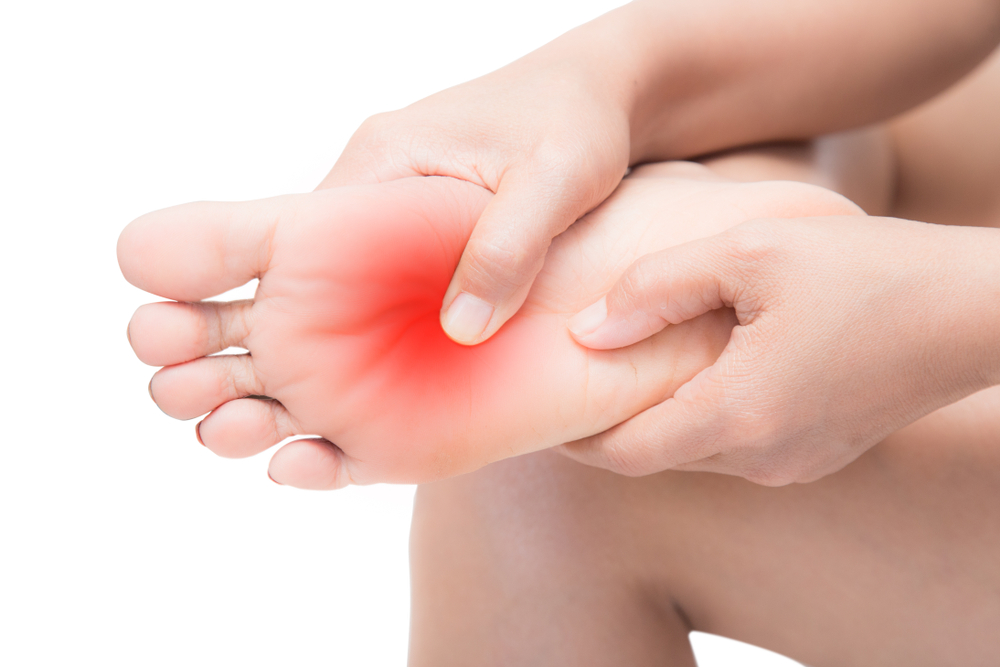
Gout is a complex form of arthritis that is characterized by sudden and severe attacks of pain, redness and tenderness in the joints. Gout most commonly affects the metatarsophalangeal joint at the base of the big toe. The cause occurs when urate crystals accumulate in the joint and cause inflammation.
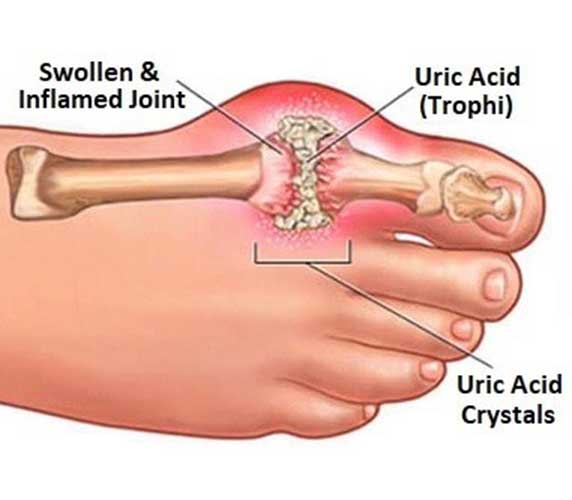


The body naturally produces uric acid when it breaks down purines. Purines are naturally found in the body but can also be ingested by foods like steak, seafood, and beverages that contain fructose. Normally, uric acid is dissolved in the bloodstream where it passes through the kidneys and is excreted from the body as urine. In an individual with gout, the body either produces too much uric acid or too little uric acid. When this happens, uric acid can build up, forming sharp, needle-like urate crystals in a joint or surrounding tissue that cause pain, inflammation and swelling. Chronic gout can also lead to deposits of hard lumps of uric acid in the tissues, particularly in and around the joints and may cause joint destruction, decreased kidney function, and kidney stones.

There are risk factors that can lead to the development of gout when combined with high serum urate levels. These include irritation, low temperatures, and previous disease.1 Patients with gout tend to have urate crystal deposition at sites of trauma or irritation, and the metatarsophalangeal joint is a common site for mechanical stress. Low temperatures favor crystal deposition which may explain why the foot is most susceptible.2 It is likely that it is the combination of trauma and low temperatures that contribute to disease onset.

In the joint space, the synovial lining cells are the first to be phagocytized by the crystals.3 The phagocytosis of these cells causes IL-1 beta to be realized which is the most important mediator of an acute gout attack. IL-1 beta stimulates the release of chemokines, other cytokines, and a variety of proinflammatory molecules.4 The chemokines attract neutrophils into the synovial tissue and fluid which is a key feature in an acute attack.

References:

1. Mandell, Brian F., et al. "The Pathogenesis of Gout." Cleveland Clinic Journal of Medicine, 25 Sept. 2018, www.mdedge.com/ccjm/article/94990/pathogenesis-gout/page/0/1.

2. Loeb JN. The influence of temperature on the solubility of monosodium urate. Arthritis Rheum 1972; 15:189-192.

3. Schumacher HR Jr, Wortmann RL. The pathology of crystal-induced arthropathies. In: Wortman RL, Schumacher HR Jr, Becker MA, Ryan LM, eds. Crystal-Induced Arthropathies. New York, NY: Taylor & Francis Group; 2006:291-319.

4. Chen CJ, Shi Y, Hearn A, et al. MyD88-dependent IL-1 receptor signaling is essential for gouty inflammation stimulated by monosodium urate crystals. J Clin Invest 2006; 116:2262-2271.


Login as practitioner to view Wellness Recommendation.

Condition of the Month-September 2019
Gout

Login as practitioner to view Wellness Recommendation.


Gout is a complex form of arthritis that is characterized by sudden and severe attacks of pain, redness and tenderness in the joints. Gout most commonly affects the metatarsophalangeal joint at the base of the big toe. The cause occurs when urate crystals accumulate in the joint and cause inflammation.


The body naturally produces uric acid when it breaks down purines. Purines are naturally found in the body but can also be ingested by foods like steak, seafood, and beverages that contain fructose. Normally, uric acid is dissolved in the bloodstream where it passes through the kidneys and is excreted from the body as urine. In an individual with gout, the body either produces too much uric acid or too little uric acid. When this happens, uric acid can build up, forming sharp, needle-like urate crystals in a joint or surrounding tissue that cause pain, inflammation and swelling. Chronic gout can also lead to deposits of hard lumps of uric acid in the tissues, particularly in and around the joints and may cause joint destruction, decreased kidney function, and kidney stones.

There are risk factors that can lead to the development of gout when combined with high serum urate levels. These include irritation, low temperatures, and previous disease.1 Patients with gout tend to have urate crystal deposition at sites of trauma or irritation, and the metatarsophalangeal joint is a common site for mechanical stress. Low temperatures favor crystal deposition which may explain why the foot is most susceptible.2 It is likely that it is the combination of trauma and low temperatures that contribute to disease onset.

In the joint space, the synovial lining cells are the first to be phagocytized by the crystals.3 The phagocytosis of these cells causes IL-1 beta to be realized which is the most important mediator of an acute gout attack. IL-1 beta stimulates the release of chemokines, other cytokines, and a variety of proinflammatory molecules.4 The chemokines attract neutrophils into the synovial tissue and fluid which is a key feature in an acute attack.

References:

1. Mandell, Brian F., et al. "The Pathogenesis of Gout." Cleveland Clinic Journal of Medicine, 25 Sept. 2018, www.mdedge.com/ccjm/article/94990/pathogenesis-gout/page/0/1.

2. Loeb JN. The influence of temperature on the solubility of monosodium urate. Arthritis Rheum 1972; 15:189-192.

3. Schumacher HR Jr, Wortmann RL. The pathology of crystal-induced arthropathies. In: Wortman RL, Schumacher HR Jr, Becker MA, Ryan LM, eds. Crystal-Induced Arthropathies. New York, NY: Taylor & Francis Group; 2006:291-319.

4. Chen CJ, Shi Y, Hearn A, et al. MyD88-dependent IL-1 receptor signaling is essential for gouty inflammation stimulated by monosodium urate crystals. J Clin Invest 2006; 116:2262-2271.

Login as practitioner to view Wellness Recommendation.


Explore Wei Laboratories