Conditions
Bell’s Palsy Protocol Acid Reflux and GERD Acne Protocol Allergies, Asthma, and Eczema Anemia Ankylosing Spondylitis Protocol Arrhythmia and Afib Protocol Asthma Protocol Atherosclerosis ATP + Attention Deficit Hyperactivity Disorder (ADHD) Atypical Bacterial and Mycobacterial Infections- Respiratory Avascular Necrosis & PS Baker's Cyst Bone Fracture Protocol Bone Spur Bronchiectasis Bulging and Herniated Disc Protocol Bunion Bursitis C. Difficile Cancer Care Candida & Fungal Infections Protocol Cardiovascular Cataracts Protocol Chronic Kidney Disease (CKD) Protocol Cold and Flu Concussion Treatment COPD, Emphysema, and Chronic Bronchitis Protocol Cyst Protocol Cystic Fibrosis Digestive Tract Bacterial and Viral Infections Diverticulitis Dupuytren Contracture Ear Infection & Tinnitus Eczema & Atopic Dermatitis Erectile Dysfunction (ED) Protocol Fatty Liver Disease & Hepatitis Protocol Female Infertility Fibromyalgia Food Allergies and Intolerances Frozen Shoulder & Rotator Cuff Injury Gallbladder Stone Glaucoma & Cataracts Protocol Gout Hair Loss Protocol Hashimoto's Thyroiditis Heart Inflammation Heavy Metal Toxicity Hernia High Blood Pressure Hip Pain Protocol Hyperlipidemia (High Cholesterol) IBD, Ulcerative Colitis, Crohn's Disease IBS Insomnia Kidney Stone Leaky Gut Liver Cirrhosis Long COVID Symptoms Low Testosterone Lupus Lyme Disease Macular Degeneration Male Infertility Men's Health Meniscus and Cartilage Tear Menopause Migraine and Headache Nervous System Viral Infections and Complications Neuropathy OA Customized Treatment Osteoarthritis and Bone-on-Bone Protocol Parasite Infection Protocol Parkinson's Disease PMS, Post Menstrual Syndrome, & Premenstrual Dysphoric Disorder Post-Surgical Wound Healing and Scar Removal Protocol Post-Viral Syndrome Prostate Enlargement Psoriasis and Psoriatic Arthritis Pulmonary Fibrosis & ILD Rheumatoid Arthritis Sarcoidosis Protocol Sinusitis Sinusitis and Nasal Congestion Protocol Skin & Nail Fungal Infections Protocol Sleep Apnea Protocol Sprains and Strains Staph & Strep Infections Stenosis and Bone Spur Stress, Anxiety, Depression Stress, Anxiety, PTSD and Depression Stroke and Post-Stroke Recovery Teeth & Gums Protocol Telomere + Tendinitis Thyroid Disorders Thyroid Disorders Protocol TMJ Syndrome Treatment Sequence Type II Diabetes Urinary Incontinence & Pelvic Organ Prolapse Protocol Uterine Fibroids & Ovarian Cysts UTI Viral Infections Vitiligo Protocol WeiDetox Weight Control Women's Health
Quick Links
Find a Practitioner Practitioner Sign Up Contact Us Subscribe to Monthly Newsletter
Condition
Bell’s Palsy Protocol Acid Reflux and GERD Acne Protocol Allergies, Asthma, and Eczema Anemia Ankylosing Spondylitis Protocol Arrhythmia and Afib Protocol Asthma Protocol Atherosclerosis ATP + Attention Deficit Hyperactivity Disorder (ADHD) Atypical Bacterial and Mycobacterial Infections- Respiratory Avascular Necrosis & PS Baker's Cyst Bone Fracture Protocol Bone Spur Bronchiectasis Bulging and Herniated Disc Protocol Bunion Bursitis C. Difficile Cancer Care Candida & Fungal Infections Protocol Cardiovascular Cataracts Protocol Chronic Kidney Disease (CKD) Protocol Cold and Flu Concussion Treatment COPD, Emphysema, and Chronic Bronchitis Protocol Cyst Protocol Cystic Fibrosis Digestive Tract Bacterial and Viral Infections Diverticulitis Dupuytren Contracture Ear Infection & Tinnitus Eczema & Atopic Dermatitis Erectile Dysfunction (ED) Protocol Fatty Liver Disease & Hepatitis Protocol Female Infertility Fibromyalgia Food Allergies and Intolerances Frozen Shoulder & Rotator Cuff Injury Gallbladder Stone Glaucoma & Cataracts Protocol Gout Hair Loss Protocol Hashimoto's Thyroiditis Heart Inflammation Heavy Metal Toxicity Hernia High Blood Pressure Hip Pain Protocol Hyperlipidemia (High Cholesterol) IBD, Ulcerative Colitis, Crohn's Disease IBS Insomnia Kidney Stone Leaky Gut Liver Cirrhosis Long COVID Symptoms Low Testosterone Lupus Lyme Disease Macular Degeneration Male Infertility Men's Health Meniscus and Cartilage Tear Menopause Migraine and Headache Nervous System Viral Infections and Complications Neuropathy OA Customized Treatment Osteoarthritis and Bone-on-Bone Protocol Parasite Infection Protocol Parkinson's Disease PMS, Post Menstrual Syndrome, & Premenstrual Dysphoric Disorder Post-Surgical Wound Healing and Scar Removal Protocol Post-Viral Syndrome Prostate Enlargement Psoriasis and Psoriatic Arthritis Pulmonary Fibrosis & ILD Rheumatoid Arthritis Sarcoidosis Protocol Sinusitis Sinusitis and Nasal Congestion Protocol Skin & Nail Fungal Infections Protocol Sleep Apnea Protocol Sprains and Strains Staph & Strep Infections Stenosis and Bone Spur Stress, Anxiety, Depression Stress, Anxiety, PTSD and Depression Stroke and Post-Stroke Recovery Teeth & Gums Protocol Telomere + Tendinitis Thyroid Disorders Thyroid Disorders Protocol TMJ Syndrome Treatment Sequence Type II Diabetes Urinary Incontinence & Pelvic Organ Prolapse Protocol Uterine Fibroids & Ovarian Cysts UTI Viral Infections Vitiligo Protocol WeiDetox Weight Control Women's Health
Condition of the Month-November 2021
Female Infertility

Login as practitioner to view Wellness Recommendation.


Infertility is defined as not being able to get pregnant after one year of trying. Infertility can also be defined as a woman who can get pregnant but is unable to stay pregnant due to multiple miscarriages. Most cases of infertility are caused by problems with ovulation such as when ovulation does not occur or the egg's quality is poor. Polycystic ovarian syndrome (PCOS), hormonal imbalance, inflammation and infection of the uterus can also cause infertility. There are also many other factors that affect a woman’s fertility including age, smoking, excess alcohol use, poor diet, and weight.

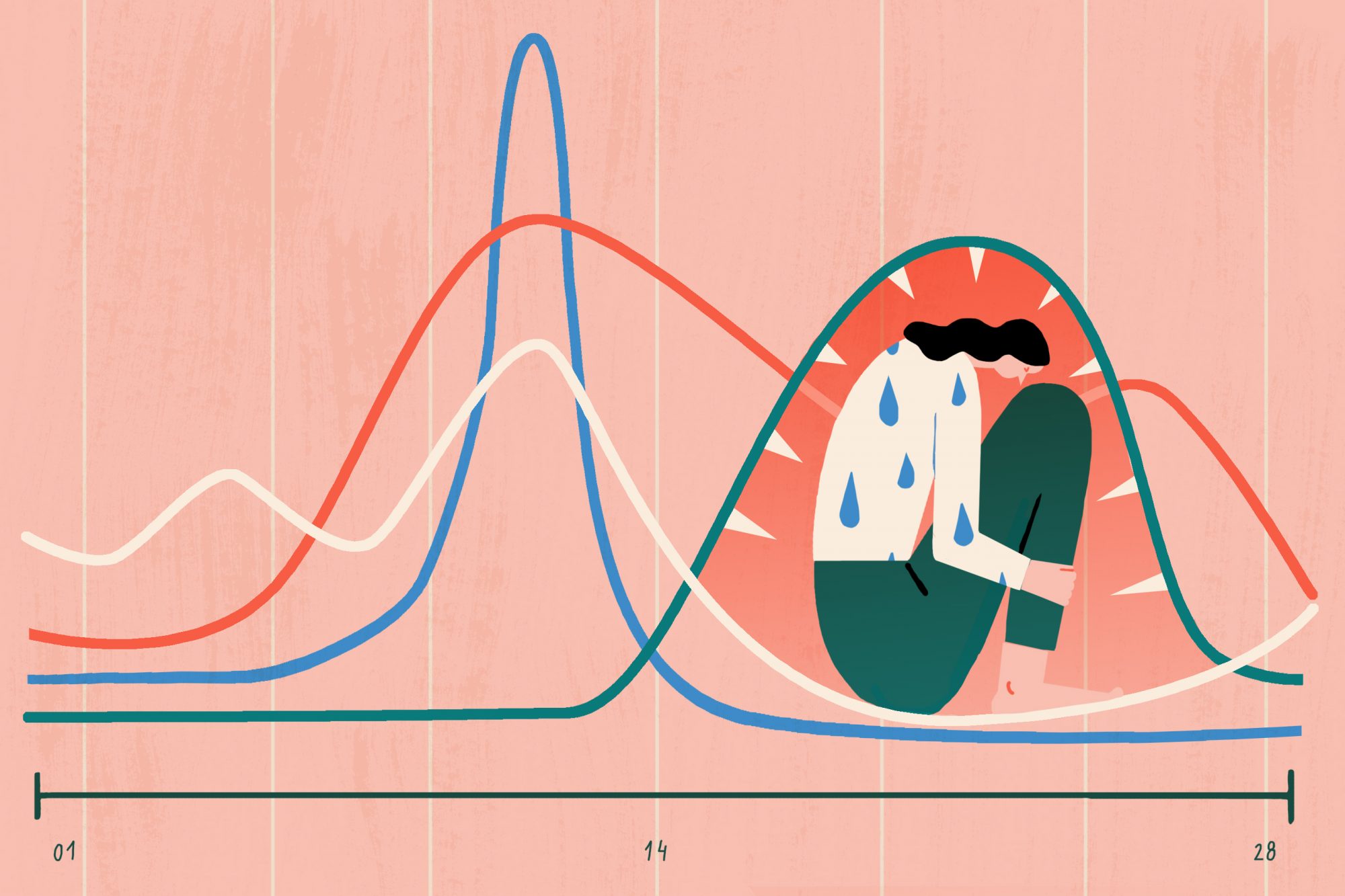
A female’s monthly cycle is controlled by the interplay of several female hormones. Four of the main hormones include estrogen, progesterone, follicle stimulating hormone (FSH), and luteinizing hormone (LH). These hormones have to be released in a timely manner. Imbalanced hormones or disruption of the timing of hormonal release will cause an irregular period or loss of period and infertility.

An underdeveloped female reproductive system and insufficient blood supply to the ovaries can cause decreased levels of female hormone production which can cause menstruation issues with symptoms of painful periods, cold feeling, and cycles that are longer than one month with small amounts of blood and clotting. The deficiency in female hormone levels can also cause underdeveloped breasts as well as lower jiao coldness. Patients can develop infertility with symptoms of low sex drive, poor energy level, and fatigue. Patients may experience not only difficulty getting pregnant but also easily have miscarriages.

Uterine fibroids are common benign tumors due to the overgrowth of smooth muscle or connective tissue in and around the uterus. Uterine fibroids can cause infertility. An ovarian cyst is a fluid-filled sac formed on or inside the ovaries which can also cause infertility. The development of a fibroid and cyst in the uterus is caused by a deficiency in their metabolism especially the uterine tissue's inability to initiate apoptosis, a programmed cell death to get rid of unneeded or abnormal cells. For more information on uterine fibroids and ovarian cysts, please see the Uterine Fibroids and Ovarian Cysts Protocol

PCOS affects ovulation. PCOS involves a hormonal disorder in which a higher level of androgen, a male hormone, causes the eggs in the ovaries to not develop or to not be released during ovulation. PCOS is also associated with insulin resistance and obesity, abnormal hair growth on the face or body, and acne. It's the most common cause of female infertility. For more information on PCOS, please see the Polycystic Ovarian Syndrome Protocol.

Hypothalamic dysfunction can also lead to infertility. Hormones produced from the hypothalamus are stored in the pituitary gland which is attached to the hypothalamus and has control over other endocrine glands including the thyroid gland, adrenal glands, ovaries, and testes. Decreased pituitary hormones can cause symptoms of poor appetite, decreased libido, fainting, fatigue, poor memory, hair loss, low blood pressure, low blood sugar levels, excessive urination, extreme thirst, cold hands and feet, poor sleep quality, and loss of menses in women. Two hormones produced by the pituitary gland are responsible for stimulating ovulation each month — FSH and LH. Excess physical or emotional stress, a very high or very low body weight, or a recent substantial weight gain or loss can disrupt production of these hormones and affect ovulation. Irregular or absent periods are the most common signs.


Login as practitioner to view Wellness Recommendation.

Condition of the Month-November 2021
Female Infertility

Login as practitioner to view Wellness Recommendation.


Infertility is defined as not being able to get pregnant after one year of trying. Infertility can also be defined as a woman who can get pregnant but is unable to stay pregnant due to multiple miscarriages. Most cases of infertility are caused by problems with ovulation such as when ovulation does not occur or the egg's quality is poor. Polycystic ovarian syndrome (PCOS), hormonal imbalance, inflammation and infection of the uterus can also cause infertility. There are also many other factors that affect a woman’s fertility including age, smoking, excess alcohol use, poor diet, and weight.

A female’s monthly cycle is controlled by the interplay of several female hormones. Four of the main hormones include estrogen, progesterone, follicle stimulating hormone (FSH), and luteinizing hormone (LH). These hormones have to be released in a timely manner. Imbalanced hormones or disruption of the timing of hormonal release will cause an irregular period or loss of period and infertility.

An underdeveloped female reproductive system and insufficient blood supply to the ovaries can cause decreased levels of female hormone production which can cause menstruation issues with symptoms of painful periods, cold feeling, and cycles that are longer than one month with small amounts of blood and clotting. The deficiency in female hormone levels can also cause underdeveloped breasts as well as lower jiao coldness. Patients can develop infertility with symptoms of low sex drive, poor energy level, and fatigue. Patients may experience not only difficulty getting pregnant but also easily have miscarriages.

Uterine fibroids are common benign tumors due to the overgrowth of smooth muscle or connective tissue in and around the uterus. Uterine fibroids can cause infertility. An ovarian cyst is a fluid-filled sac formed on or inside the ovaries which can also cause infertility. The development of a fibroid and cyst in the uterus is caused by a deficiency in their metabolism especially the uterine tissue's inability to initiate apoptosis, a programmed cell death to get rid of unneeded or abnormal cells. For more information on uterine fibroids and ovarian cysts, please see the Uterine Fibroids and Ovarian Cysts Protocol

PCOS affects ovulation. PCOS involves a hormonal disorder in which a higher level of androgen, a male hormone, causes the eggs in the ovaries to not develop or to not be released during ovulation. PCOS is also associated with insulin resistance and obesity, abnormal hair growth on the face or body, and acne. It's the most common cause of female infertility. For more information on PCOS, please see the Polycystic Ovarian Syndrome Protocol.

Hypothalamic dysfunction can also lead to infertility. Hormones produced from the hypothalamus are stored in the pituitary gland which is attached to the hypothalamus and has control over other endocrine glands including the thyroid gland, adrenal glands, ovaries, and testes. Decreased pituitary hormones can cause symptoms of poor appetite, decreased libido, fainting, fatigue, poor memory, hair loss, low blood pressure, low blood sugar levels, excessive urination, extreme thirst, cold hands and feet, poor sleep quality, and loss of menses in women. Two hormones produced by the pituitary gland are responsible for stimulating ovulation each month — FSH and LH. Excess physical or emotional stress, a very high or very low body weight, or a recent substantial weight gain or loss can disrupt production of these hormones and affect ovulation. Irregular or absent periods are the most common signs.

Login as practitioner to view Wellness Recommendation.


Explore Wei Laboratories