Conditions
Bell’s Palsy Protocol Acid Reflux and GERD Acne Protocol Allergies, Asthma, and Eczema Anemia Ankylosing Spondylitis Protocol Arrhythmia and Afib Protocol Asthma Protocol Atherosclerosis ATP + Attention Deficit Hyperactivity Disorder (ADHD) Atypical Bacterial and Mycobacterial Infections- Respiratory Avascular Necrosis & PS Baker's Cyst Bone Fracture Protocol Bone Spur Bronchiectasis Bulging and Herniated Disc Protocol Bunion Bursitis C. Difficile Cancer Care Candida & Fungal Infections Protocol Cardiovascular Cataracts Protocol Chronic Kidney Disease (CKD) Protocol Cold and Flu Concussion Treatment COPD, Emphysema, and Chronic Bronchitis Protocol Cyst Protocol Cystic Fibrosis Digestive Tract Bacterial and Viral Infections Diverticulitis Dupuytren Contracture Ear Infection & Tinnitus Eczema & Atopic Dermatitis Erectile Dysfunction (ED) Protocol Fatty Liver Disease & Hepatitis Protocol Female Infertility Fibromyalgia Food Allergies and Intolerances Frozen Shoulder & Rotator Cuff Injury Gallbladder Stone Glaucoma & Cataracts Protocol Gout Hair Loss Protocol Hashimoto's Thyroiditis Heart Inflammation Heavy Metal Toxicity Hernia High Blood Pressure Hip Pain Protocol Hyperlipidemia (High Cholesterol) IBD, Ulcerative Colitis, Crohn's Disease IBS Insomnia Kidney Stone Leaky Gut Liver Cirrhosis Long COVID Symptoms Low Testosterone Lupus Lyme Disease Macular Degeneration Male Infertility Men's Health Meniscus and Cartilage Tear Menopause Migraine and Headache Nervous System Viral Infections and Complications Neuropathy OA Customized Treatment Osteoarthritis and Bone-on-Bone Protocol Parasite Infection Protocol Parkinson's Disease PMS, Post Menstrual Syndrome, & Premenstrual Dysphoric Disorder Post-Surgical Wound Healing and Scar Removal Protocol Post-Viral Syndrome Prostate Enlargement Psoriasis and Psoriatic Arthritis Pulmonary Fibrosis & ILD Rheumatoid Arthritis Sarcoidosis Protocol Sinusitis Sinusitis and Nasal Congestion Protocol Skin & Nail Fungal Infections Protocol Sleep Apnea Protocol Sprains and Strains Staph & Strep Infections Stenosis and Bone Spur Stress, Anxiety, Depression Stress, Anxiety, PTSD and Depression Stroke and Post-Stroke Recovery Teeth & Gums Protocol Telomere + Tendinitis Thyroid Disorders Thyroid Disorders Protocol TMJ Syndrome Treatment Sequence Type II Diabetes Urinary Incontinence & Pelvic Organ Prolapse Protocol Uterine Fibroids & Ovarian Cysts UTI Viral Infections Vitiligo Protocol WeiDetox Weight Control Women's Health
Quick Links
Find a Practitioner Practitioner Sign Up Contact Us Subscribe to Monthly Newsletter
Condition
Bell’s Palsy Protocol Acid Reflux and GERD Acne Protocol Allergies, Asthma, and Eczema Anemia Ankylosing Spondylitis Protocol Arrhythmia and Afib Protocol Asthma Protocol Atherosclerosis ATP + Attention Deficit Hyperactivity Disorder (ADHD) Atypical Bacterial and Mycobacterial Infections- Respiratory Avascular Necrosis & PS Baker's Cyst Bone Fracture Protocol Bone Spur Bronchiectasis Bulging and Herniated Disc Protocol Bunion Bursitis C. Difficile Cancer Care Candida & Fungal Infections Protocol Cardiovascular Cataracts Protocol Chronic Kidney Disease (CKD) Protocol Cold and Flu Concussion Treatment COPD, Emphysema, and Chronic Bronchitis Protocol Cyst Protocol Cystic Fibrosis Digestive Tract Bacterial and Viral Infections Diverticulitis Dupuytren Contracture Ear Infection & Tinnitus Eczema & Atopic Dermatitis Erectile Dysfunction (ED) Protocol Fatty Liver Disease & Hepatitis Protocol Female Infertility Fibromyalgia Food Allergies and Intolerances Frozen Shoulder & Rotator Cuff Injury Gallbladder Stone Glaucoma & Cataracts Protocol Gout Hair Loss Protocol Hashimoto's Thyroiditis Heart Inflammation Heavy Metal Toxicity Hernia High Blood Pressure Hip Pain Protocol Hyperlipidemia (High Cholesterol) IBD, Ulcerative Colitis, Crohn's Disease IBS Insomnia Kidney Stone Leaky Gut Liver Cirrhosis Long COVID Symptoms Low Testosterone Lupus Lyme Disease Macular Degeneration Male Infertility Men's Health Meniscus and Cartilage Tear Menopause Migraine and Headache Nervous System Viral Infections and Complications Neuropathy OA Customized Treatment Osteoarthritis and Bone-on-Bone Protocol Parasite Infection Protocol Parkinson's Disease PMS, Post Menstrual Syndrome, & Premenstrual Dysphoric Disorder Post-Surgical Wound Healing and Scar Removal Protocol Post-Viral Syndrome Prostate Enlargement Psoriasis and Psoriatic Arthritis Pulmonary Fibrosis & ILD Rheumatoid Arthritis Sarcoidosis Protocol Sinusitis Sinusitis and Nasal Congestion Protocol Skin & Nail Fungal Infections Protocol Sleep Apnea Protocol Sprains and Strains Staph & Strep Infections Stenosis and Bone Spur Stress, Anxiety, Depression Stress, Anxiety, PTSD and Depression Stroke and Post-Stroke Recovery Teeth & Gums Protocol Telomere + Tendinitis Thyroid Disorders Thyroid Disorders Protocol TMJ Syndrome Treatment Sequence Type II Diabetes Urinary Incontinence & Pelvic Organ Prolapse Protocol Uterine Fibroids & Ovarian Cysts UTI Viral Infections Vitiligo Protocol WeiDetox Weight Control Women's Health
Condition of the Month-May 2019
Hashimoto's Thyroiditis

Login as practitioner to view Wellness Recommendation.


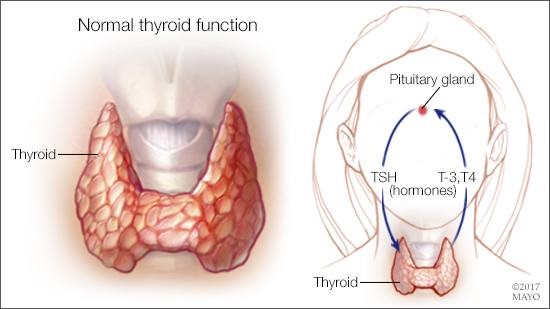
Hashimoto's thyroiditis, also known as chronic lymphocytic thyroiditis, is an autoimmune condition in which the patient's immune system attacks the thyroid leading to chronic inflammation of the thyroid gland. The thyroid is a butterfly-shaped gland in the lower neck that makes hormones that help regulate growth and development, body temperature, heart rate, and weight. Chronic inflammation of the thyroid eventually leads to an impaired ability of the thyroid gland to produce thyroid hormones, such as T3 and T4, leading to a gradual decline in function and ultimately to hypothyroidism.


Symptoms

Symptoms of Hashimoto's come on gradually as the condition progresses. Patients usually have an increased level of thyroid stimulating hormone (TSH) with anti-thyroglobulin (TG) and/or anti-thyroid peroxidase (TPO) antibodies present positively in their blood work. One of the first signs of Hashimoto's is the enlargement of the thyroid with a sign of swelling at the front of the throat called a goiter. This occurs due to the slow and chronic cell damage from inflammation that leads to the development of an enlarged thyroid. Hashimoto's symptoms may include fatigue, weight gain, constipation, increased sensitivity to cold, slowed heart rate, dry skin, depression, muscle aches, and reduced exercise tolerance. These symptoms are associated with reduced thyroid hormones levels.

Pathogenesis

The cause of Hashimoto's is not fully understood but researchers believe it is a combination of genetics and environmental factors. Several genes have been studied as a possible risk factor and other non-genetic factors have also been identified. These include, changes in sex hormones, viral infections, certain medications, exposure to radiation, and excess consumption of iodine.

White blood cells called lymphocytes accumulate in the thyroid and produce antibodies that attack and destroy the cells in the thyroid gland. This lymphoid infiltration of the thyroid gland characterized in Hashimoto's includes both B and T cells. These antibodies typically include thyroid peroxidase and/or thyroglobulin autoantibodies. Once enough cells have become damaged, the thyroid can no longer make enough hormones to regulate body functions.

Autoimmune and the Lymphatic System

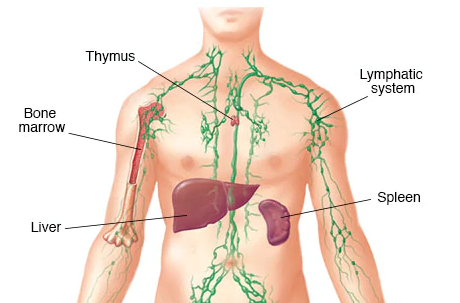
The lymphatic system is a major part of the immune system and it plays a key role in the development of autoimmune conditions. Research results have shown that lymphatic dysfunction and the resulting decreased lymphatic circulation can induce symptoms of autoimmune conditions.

Both B cells and T cells are produced in bone marrow, but B cells mature in the spleen and T cells mature in the thymus. Both the spleen and thymus are key organs of the lymphatic system. Lymphatic dysfunction and poor lymph quality may affect the B cells and T cells maturation and cause their loss of self-tolerance.


Using MRI and ultrasound, researchers further examined the role of the lymphatics in patients with autoimmune conditions such as rheumatoid arthritis and have shown that the lymphatic flow and contraction frequency in patients with autoimmune condition such as rheumatoid arthritis have been impaired. Slowed lymphatic circulation may cause an accumulation of excessive cell debris and protein fragments which could cause a loss of self-tolerance of the immune system as well as trigger immune system activation.

Hashimoto's and Liver Disease

The liver also plays an important role in immunological activity. The liver has a much more powerful innate immune capability versus the blood due to its enriched macrophage content and natural killer cells. The liver produces suppressor T cells that control T cell activity. Suppressor T cells, are a subpopulation of T cells that modulate the immune system, maintain tolerance to self-antigens, and prevent autoimmune disease. Research has found that people with Hashimoto's hypothyroidism are at a higher risk of developing fatty liver disease because of the effect of a low thyroid levels on fat metabolism and liver function. Elevated liver enzymes have also been documented in patients with Hashimoto's. Prolonged use of immunosuppressant drugs such as methotrexate can also affect the liver and disrupt liver function. A liver deficiency can result in poorly functioning suppressor T cells and subsequently attribute to autoimmune conditions or the worsening of the Hashimoto's.


Login as practitioner to view Wellness Recommendation.

Condition of the Month-May 2019
Hashimoto's Thyroiditis

Login as practitioner to view Wellness Recommendation.


Hashimoto's thyroiditis, also known as chronic lymphocytic thyroiditis, is an autoimmune condition in which the patient's immune system attacks the thyroid leading to chronic inflammation of the thyroid gland. The thyroid is a butterfly-shaped gland in the lower neck that makes hormones that help regulate growth and development, body temperature, heart rate, and weight. Chronic inflammation of the thyroid eventually leads to an impaired ability of the thyroid gland to produce thyroid hormones, such as T3 and T4, leading to a gradual decline in function and ultimately to hypothyroidism.


Symptoms

Symptoms of Hashimoto's come on gradually as the condition progresses. Patients usually have an increased level of thyroid stimulating hormone (TSH) with anti-thyroglobulin (TG) and/or anti-thyroid peroxidase (TPO) antibodies present positively in their blood work. One of the first signs of Hashimoto's is the enlargement of the thyroid with a sign of swelling at the front of the throat called a goiter. This occurs due to the slow and chronic cell damage from inflammation that leads to the development of an enlarged thyroid. Hashimoto's symptoms may include fatigue, weight gain, constipation, increased sensitivity to cold, slowed heart rate, dry skin, depression, muscle aches, and reduced exercise tolerance. These symptoms are associated with reduced thyroid hormones levels.

Pathogenesis

The cause of Hashimoto's is not fully understood but researchers believe it is a combination of genetics and environmental factors. Several genes have been studied as a possible risk factor and other non-genetic factors have also been identified. These include, changes in sex hormones, viral infections, certain medications, exposure to radiation, and excess consumption of iodine.

White blood cells called lymphocytes accumulate in the thyroid and produce antibodies that attack and destroy the cells in the thyroid gland. This lymphoid infiltration of the thyroid gland characterized in Hashimoto's includes both B and T cells. These antibodies typically include thyroid peroxidase and/or thyroglobulin autoantibodies. Once enough cells have become damaged, the thyroid can no longer make enough hormones to regulate body functions.

Autoimmune and the Lymphatic System

The lymphatic system is a major part of the immune system and it plays a key role in the development of autoimmune conditions. Research results have shown that lymphatic dysfunction and the resulting decreased lymphatic circulation can induce symptoms of autoimmune conditions.

Both B cells and T cells are produced in bone marrow, but B cells mature in the spleen and T cells mature in the thymus. Both the spleen and thymus are key organs of the lymphatic system. Lymphatic dysfunction and poor lymph quality may affect the B cells and T cells maturation and cause their loss of self-tolerance.


Using MRI and ultrasound, researchers further examined the role of the lymphatics in patients with autoimmune conditions such as rheumatoid arthritis and have shown that the lymphatic flow and contraction frequency in patients with autoimmune condition such as rheumatoid arthritis have been impaired. Slowed lymphatic circulation may cause an accumulation of excessive cell debris and protein fragments which could cause a loss of self-tolerance of the immune system as well as trigger immune system activation.

Hashimoto's and Liver Disease

The liver also plays an important role in immunological activity. The liver has a much more powerful innate immune capability versus the blood due to its enriched macrophage content and natural killer cells. The liver produces suppressor T cells that control T cell activity. Suppressor T cells, are a subpopulation of T cells that modulate the immune system, maintain tolerance to self-antigens, and prevent autoimmune disease. Research has found that people with Hashimoto's hypothyroidism are at a higher risk of developing fatty liver disease because of the effect of a low thyroid levels on fat metabolism and liver function. Elevated liver enzymes have also been documented in patients with Hashimoto's. Prolonged use of immunosuppressant drugs such as methotrexate can also affect the liver and disrupt liver function. A liver deficiency can result in poorly functioning suppressor T cells and subsequently attribute to autoimmune conditions or the worsening of the Hashimoto's.
Login as practitioner to view Wellness Recommendation.


Explore Wei Laboratories