Conditions
Bell’s Palsy Protocol Acid Reflux and GERD Acne Protocol Allergies, Asthma, and Eczema Anemia Ankylosing Spondylitis Protocol Arrhythmia and Afib Protocol Asthma Protocol Atherosclerosis ATP + Attention Deficit Hyperactivity Disorder (ADHD) Atypical Bacterial and Mycobacterial Infections- Respiratory Avascular Necrosis & PS Baker's Cyst Bone Fracture Protocol Bone Spur Bronchiectasis Bulging and Herniated Disc Protocol Bunion Bursitis C. Difficile Cancer Care Candida & Fungal Infections Protocol Cardiovascular Cataracts Protocol Chronic Kidney Disease (CKD) Protocol Cold and Flu Concussion Treatment COPD, Emphysema, and Chronic Bronchitis Protocol Cyst Protocol Cystic Fibrosis Digestive Tract Bacterial and Viral Infections Diverticulitis Dupuytren Contracture Ear Infection & Tinnitus Eczema & Atopic Dermatitis Erectile Dysfunction (ED) Protocol Fatty Liver Disease & Hepatitis Protocol Female Infertility Fibromyalgia Food Allergies and Intolerances Frozen Shoulder & Rotator Cuff Injury Gallbladder Stone Glaucoma & Cataracts Protocol Gout Hair Loss Protocol Hashimoto's Thyroiditis Heart Inflammation Heavy Metal Toxicity Hernia High Blood Pressure Hip Pain Protocol Hyperlipidemia (High Cholesterol) IBD, Ulcerative Colitis, Crohn's Disease IBS Insomnia Kidney Stone Leaky Gut Liver Cirrhosis Long COVID Symptoms Low Testosterone Lupus Lyme Disease Macular Degeneration Male Infertility Men's Health Meniscus and Cartilage Tear Menopause Migraine and Headache Nervous System Viral Infections and Complications Neuropathy OA Customized Treatment Osteoarthritis and Bone-on-Bone Protocol Parasite Infection Protocol Parkinson's Disease PMS, Post Menstrual Syndrome, & Premenstrual Dysphoric Disorder Post-Surgical Wound Healing and Scar Removal Protocol Post-Viral Syndrome Prostate Enlargement Psoriasis and Psoriatic Arthritis Pulmonary Fibrosis & ILD Rheumatoid Arthritis Sarcoidosis Protocol Sinusitis Sinusitis and Nasal Congestion Protocol Skin & Nail Fungal Infections Protocol Sleep Apnea Protocol Sprains and Strains Staph & Strep Infections Stenosis and Bone Spur Stress, Anxiety, Depression Stress, Anxiety, PTSD and Depression Stroke and Post-Stroke Recovery Teeth & Gums Protocol Telomere + Tendinitis Thyroid Disorders Thyroid Disorders Protocol TMJ Syndrome Treatment Sequence Type II Diabetes Urinary Incontinence & Pelvic Organ Prolapse Protocol Uterine Fibroids & Ovarian Cysts UTI Viral Infections Vitiligo Protocol WeiDetox Weight Control Women's Health
Quick Links
Find a Practitioner Practitioner Sign Up Contact Us Subscribe to Monthly Newsletter
Condition
Bell’s Palsy Protocol Acid Reflux and GERD Acne Protocol Allergies, Asthma, and Eczema Anemia Ankylosing Spondylitis Protocol Arrhythmia and Afib Protocol Asthma Protocol Atherosclerosis ATP + Attention Deficit Hyperactivity Disorder (ADHD) Atypical Bacterial and Mycobacterial Infections- Respiratory Avascular Necrosis & PS Baker's Cyst Bone Fracture Protocol Bone Spur Bronchiectasis Bulging and Herniated Disc Protocol Bunion Bursitis C. Difficile Cancer Care Candida & Fungal Infections Protocol Cardiovascular Cataracts Protocol Chronic Kidney Disease (CKD) Protocol Cold and Flu Concussion Treatment COPD, Emphysema, and Chronic Bronchitis Protocol Cyst Protocol Cystic Fibrosis Digestive Tract Bacterial and Viral Infections Diverticulitis Dupuytren Contracture Ear Infection & Tinnitus Eczema & Atopic Dermatitis Erectile Dysfunction (ED) Protocol Fatty Liver Disease & Hepatitis Protocol Female Infertility Fibromyalgia Food Allergies and Intolerances Frozen Shoulder & Rotator Cuff Injury Gallbladder Stone Glaucoma & Cataracts Protocol Gout Hair Loss Protocol Hashimoto's Thyroiditis Heart Inflammation Heavy Metal Toxicity Hernia High Blood Pressure Hip Pain Protocol Hyperlipidemia (High Cholesterol) IBD, Ulcerative Colitis, Crohn's Disease IBS Insomnia Kidney Stone Leaky Gut Liver Cirrhosis Long COVID Symptoms Low Testosterone Lupus Lyme Disease Macular Degeneration Male Infertility Men's Health Meniscus and Cartilage Tear Menopause Migraine and Headache Nervous System Viral Infections and Complications Neuropathy OA Customized Treatment Osteoarthritis and Bone-on-Bone Protocol Parasite Infection Protocol Parkinson's Disease PMS, Post Menstrual Syndrome, & Premenstrual Dysphoric Disorder Post-Surgical Wound Healing and Scar Removal Protocol Post-Viral Syndrome Prostate Enlargement Psoriasis and Psoriatic Arthritis Pulmonary Fibrosis & ILD Rheumatoid Arthritis Sarcoidosis Protocol Sinusitis Sinusitis and Nasal Congestion Protocol Skin & Nail Fungal Infections Protocol Sleep Apnea Protocol Sprains and Strains Staph & Strep Infections Stenosis and Bone Spur Stress, Anxiety, Depression Stress, Anxiety, PTSD and Depression Stroke and Post-Stroke Recovery Teeth & Gums Protocol Telomere + Tendinitis Thyroid Disorders Thyroid Disorders Protocol TMJ Syndrome Treatment Sequence Type II Diabetes Urinary Incontinence & Pelvic Organ Prolapse Protocol Uterine Fibroids & Ovarian Cysts UTI Viral Infections Vitiligo Protocol WeiDetox Weight Control Women's Health
Condition of the Month-July 2026
Staph & Strep Infections

Login as practitioner to view Wellness Recommendation.


Trinicin removes heat and toxins from the three burners which include the upper, middle, and lower burner. It helps clear acute and chronic gram-positive bacterial infections in the internal organs such as the brain, lungs, digestive tract, kidneys, liver, blood and digestive tract. It also helps to clear the toxicity and allergic reactions caused by the bacterial toxins, as well as reduce inflammation and fevers.

Trinicin combines three of the most potent Chinese herbs including Rhizoma Coptidis, Cortex Phellodendri, and Radix Scutellariae that all exhibit strong antimicrobial effects against a broad spectrum of pathogenic bacteria by inhibiting bacteria’s respiration and RNA synthesis. They exert inhibition in multiple types of pathogenic bacteria such as Staphylococcus, Streptococcus, Pneumococcus, Meningococcus, Vibrio cholera, Bacillus diphtheria, Typhoid Bacillus, Shigella Castellani, Leptospira, etc.

1. Strep and Staph Infections, Autoimmunity

Gram-positive bacteria and gram-negative bacteria are distinguished by gram staining. Grampositive bacteria appear purple in color by gram staining due to their thick and rigid peptidoglycan layers in their cell wall structure. While gramnegative bacteria appear pink in color. A few examples of gram-positive bacteria include Clostridium, Actinomyces, Streptococci, and Staphylococci. Common conditions include strep throat and skin staph infections.

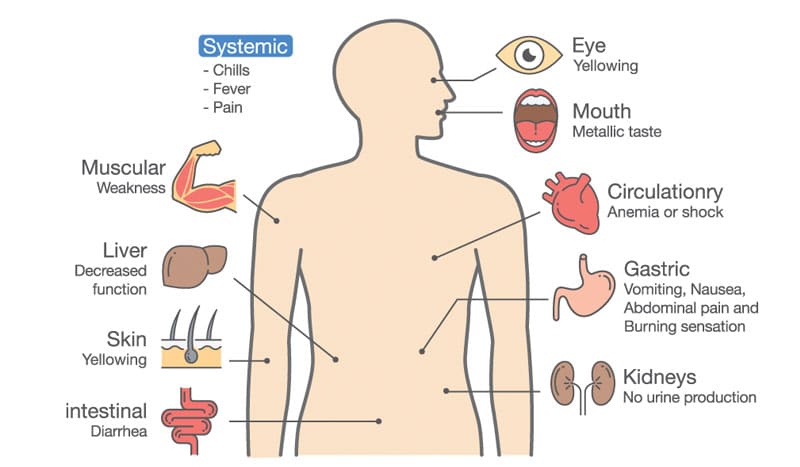
The damaging effects of the pathogenic gram-positive bacteria come from their secreted exotoxins which are typically protein-based toxins. The exotoxins can directly cause damage to the host cells and interfere with host cell functions. They can also bind to host immune cells (T-lymphocytes) triggering an overactivated immune response with increased levels of pro-inflammatory cytokines resulting in systemic inflammation and allergic reactions. Symptoms include fever, rash, vomiting, and diarrhea. The immune systems over response to super-antigens can result in a cytokine storm from the excessive production of pro-inflammatory cytokines causing severe damage leading to organ failure or even shock. Exotoxins can also suppress the necessary immune function to fight against the infections by decreasing the proliferation of activated lymphocytes and impairing the phagocytic function of macrophages.

Strep infection can cause many different types of inflammatory conditions such as arthritis, vascular disease, digestive issues, chronic fatigue, and various types of autoimmune conditions such as rheumatic heart disease and neuroimmune diseases like PANDAS (Pediatric autoimmune neuropsychiatric disorders associated with streptococcal infections) as the infection can trigger an autoimmune reaction.1

Trinicin helps clear acute and chronic gram-positive bacterial infections including the strep and staph, and reduce the cytokine levels to clear the inflammation, allergic reactions, and toxicities. It helps remove the exotoxins from the body, resume the proliferation of activated lymphocytes and enhance the phagocytic function of macrophages to fight against the infection. Patients can experience symptom improvement in 3 days. 3 days to 4 weeks of the product is required for significant improvement depending on the severity of the condition. Patients with chronic infections and a weakened immune system, Bitter, Brown, LC Balancer and Qi Booster are also recommended to help improve overall health and enhance immunity.

2. Gut Strep and Staph Infections and Weight Gain

Research has revealed that gut gram-positive bacteria population microbiota such as Firmicutes composition is increased and gram-negative bacteria such as Bacteroidetes is reduced with a decreased bacterial diversity in obese subjects compared to leaner counterparts.

More importantly, it was found that the levels of pathogenic grampositive bacteria such as Staphylococcus aureus were higher in children who are overweight than children with a normal weight. Gut pathogenic bacterial infection or gram-positive bacterial overgrowth triggers low grade inflammation with irregular bowel movement such as constipation. The low-grade gut inflammation can cause increased energy harvest and fat storage as well as interference of insulin and leptin signaling leading to weight gain. Gut inflammation also slows down the food empty process causing overabsorption of food. Patients may experience uncontrollable weight gain, even though they are eating a healthy diet and have an active lifestyle. Trinicin helps clear the gut pathogenic gram-positive bacterial infections and reduce gut inflammation. Probiosis may also be required to clear other types of pathogenic bacteria from the gut. Patients with severe constipation, PA may also be required to clear the infection and inflammation from the pancreas, duodenum, and small intestines. Patients can experience weight reduction in 1-2 weeks. 3 months of the protocol is required for staph infections in the gut and 6 months of the protocol is required for strep infections in the gut. If patients also have dysbiosis with gut grampositive bacterial overgrowth, Reduce 4 is also recommended.

3. PANS and PANDAS

PANS (Pediatric Acute-onset Neuropsychiatric Syndrome) is a neurological disorder with a sudden onset of symptoms that affect children and adolescents. PANDAS (Pediatric Autoimmune Neuropsychiatric Disorders Associated with Streptococcal Infections) is a subtype of PANS hypothesized to be caused by a group A strep infection such as strep throat. Symptoms of strep throat include sore throat, fever, pus on the tonsils, and enlarged cervical lymph nodes in the neck.

Group A streptococcus (GAS) infection which causes strep throat can also trigger an autoimmune reaction with the immune system mistakenly attacking the brain, leading to brain inflammation and neurological symptoms. Symptoms of PANDAS include OCD (obsessive or compulsive behaviors), physical tics (sudden, rapid, nonrhythmic movements), eating changes (selective about food or refusing to eat), motor skill changes such as handwriting, sleep disturbances, irritability, sadness or depression, separation anxiety, hyperactivity, fidgeting or inattention that developed suddenly with episodes of symptoms that may disappear for extended periods and then reappear.

Trinicin helps clear the infections to resolve the autoimmunity and clear the PANDAS symptoms. Patients can experience symptom improvement in 1 month. It may take 3-9 months depending on the severity of the condition. Luna and Formula B are recommended for patients with constipation because of PANS/PANDAS to help stimulate the nervous system of the gut and get the strength of peristaltic action back. Stool panel and/or blood antibody test are recommended to track the progress of the treatment.

Login as practitioner to view Wellness Recommendation.

Condition of the Month-July 2026
Staph & Strep Infections

Login as practitioner to view Wellness Recommendation.


Trinicin removes heat and toxins from the three burners which include the upper, middle, and lower burner. It helps clear acute and chronic gram-positive bacterial infections in the internal organs such as the brain, lungs, digestive tract, kidneys, liver, blood and digestive tract. It also helps to clear the toxicity and allergic reactions caused by the bacterial toxins, as well as reduce inflammation and fevers.

Trinicin combines three of the most potent Chinese herbs including Rhizoma Coptidis, Cortex Phellodendri, and Radix Scutellariae that all exhibit strong antimicrobial effects against a broad spectrum of pathogenic bacteria by inhibiting bacteria’s respiration and RNA synthesis. They exert inhibition in multiple types of pathogenic bacteria such as Staphylococcus, Streptococcus, Pneumococcus, Meningococcus, Vibrio cholera, Bacillus diphtheria, Typhoid Bacillus, Shigella Castellani, Leptospira, etc.

1. Strep and Staph Infections, Autoimmunity

Gram-positive bacteria and gram-negative bacteria are distinguished by gram staining. Grampositive bacteria appear purple in color by gram staining due to their thick and rigid peptidoglycan layers in their cell wall structure. While gramnegative bacteria appear pink in color. A few examples of gram-positive bacteria include Clostridium, Actinomyces, Streptococci, and Staphylococci. Common conditions include strep throat and skin staph infections.

The damaging effects of the pathogenic gram-positive bacteria come from their secreted exotoxins which are typically protein-based toxins. The exotoxins can directly cause damage to the host cells and interfere with host cell functions. They can also bind to host immune cells (T-lymphocytes) triggering an overactivated immune response with increased levels of pro-inflammatory cytokines resulting in systemic inflammation and allergic reactions. Symptoms include fever, rash, vomiting, and diarrhea. The immune systems over response to super-antigens can result in a cytokine storm from the excessive production of pro-inflammatory cytokines causing severe damage leading to organ failure or even shock. Exotoxins can also suppress the necessary immune function to fight against the infections by decreasing the proliferation of activated lymphocytes and impairing the phagocytic function of macrophages.

Strep infection can cause many different types of inflammatory conditions such as arthritis, vascular disease, digestive issues, chronic fatigue, and various types of autoimmune conditions such as rheumatic heart disease and neuroimmune diseases like PANDAS (Pediatric autoimmune neuropsychiatric disorders associated with streptococcal infections) as the infection can trigger an autoimmune reaction.1

Trinicin helps clear acute and chronic gram-positive bacterial infections including the strep and staph, and reduce the cytokine levels to clear the inflammation, allergic reactions, and toxicities. It helps remove the exotoxins from the body, resume the proliferation of activated lymphocytes and enhance the phagocytic function of macrophages to fight against the infection. Patients can experience symptom improvement in 3 days. 3 days to 4 weeks of the product is required for significant improvement depending on the severity of the condition. Patients with chronic infections and a weakened immune system, Bitter, Brown, LC Balancer and Qi Booster are also recommended to help improve overall health and enhance immunity.

2. Gut Strep and Staph Infections and Weight Gain

Research has revealed that gut gram-positive bacteria population microbiota such as Firmicutes composition is increased and gram-negative bacteria such as Bacteroidetes is reduced with a decreased bacterial diversity in obese subjects compared to leaner counterparts.

More importantly, it was found that the levels of pathogenic grampositive bacteria such as Staphylococcus aureus were higher in children who are overweight than children with a normal weight. Gut pathogenic bacterial infection or gram-positive bacterial overgrowth triggers low grade inflammation with irregular bowel movement such as constipation. The low-grade gut inflammation can cause increased energy harvest and fat storage as well as interference of insulin and leptin signaling leading to weight gain. Gut inflammation also slows down the food empty process causing overabsorption of food. Patients may experience uncontrollable weight gain, even though they are eating a healthy diet and have an active lifestyle. Trinicin helps clear the gut pathogenic gram-positive bacterial infections and reduce gut inflammation. Probiosis may also be required to clear other types of pathogenic bacteria from the gut. Patients with severe constipation, PA may also be required to clear the infection and inflammation from the pancreas, duodenum, and small intestines. Patients can experience weight reduction in 1-2 weeks. 3 months of the protocol is required for staph infections in the gut and 6 months of the protocol is required for strep infections in the gut. If patients also have dysbiosis with gut grampositive bacterial overgrowth, Reduce 4 is also recommended.

3. PANS and PANDAS

PANS (Pediatric Acute-onset Neuropsychiatric Syndrome) is a neurological disorder with a sudden onset of symptoms that affect children and adolescents. PANDAS (Pediatric Autoimmune Neuropsychiatric Disorders Associated with Streptococcal Infections) is a subtype of PANS hypothesized to be caused by a group A strep infection such as strep throat. Symptoms of strep throat include sore throat, fever, pus on the tonsils, and enlarged cervical lymph nodes in the neck.

Group A streptococcus (GAS) infection which causes strep throat can also trigger an autoimmune reaction with the immune system mistakenly attacking the brain, leading to brain inflammation and neurological symptoms. Symptoms of PANDAS include OCD (obsessive or compulsive behaviors), physical tics (sudden, rapid, nonrhythmic movements), eating changes (selective about food or refusing to eat), motor skill changes such as handwriting, sleep disturbances, irritability, sadness or depression, separation anxiety, hyperactivity, fidgeting or inattention that developed suddenly with episodes of symptoms that may disappear for extended periods and then reappear.

Trinicin helps clear the infections to resolve the autoimmunity and clear the PANDAS symptoms. Patients can experience symptom improvement in 1 month. It may take 3-9 months depending on the severity of the condition. Luna and Formula B are recommended for patients with constipation because of PANS/PANDAS to help stimulate the nervous system of the gut and get the strength of peristaltic action back. Stool panel and/or blood antibody test are recommended to track the progress of the treatment.

Login as practitioner to view Wellness Recommendation.


Explore Wei Laboratories