Conditions
Bell’s Palsy Protocol Acid Reflux and GERD Acne Protocol Allergies, Asthma, and Eczema Anemia Ankylosing Spondylitis Protocol Arrhythmia and Afib Protocol Asthma Protocol Atherosclerosis ATP + Attention Deficit Hyperactivity Disorder (ADHD) Atypical Bacterial and Mycobacterial Infections- Respiratory Avascular Necrosis & PS Baker's Cyst Bone Fracture Protocol Bone Spur Bronchiectasis Bulging and Herniated Disc Protocol Bunion Bursitis C. Difficile Cancer Care Candida & Fungal Infections Protocol Cardiovascular Cataracts Protocol Chronic Kidney Disease (CKD) Protocol Cold and Flu Concussion Treatment COPD, Emphysema, and Chronic Bronchitis Protocol Cyst Protocol Cystic Fibrosis Digestive Tract Bacterial and Viral Infections Diverticulitis Dupuytren Contracture Ear Infection & Tinnitus Eczema & Atopic Dermatitis Erectile Dysfunction (ED) Protocol Fatty Liver Disease & Hepatitis Protocol Female Infertility Fibromyalgia Food Allergies and Intolerances Frozen Shoulder & Rotator Cuff Injury Gallbladder Stone Glaucoma & Cataracts Protocol Gout Hair Loss Protocol Hashimoto's Thyroiditis Heart Inflammation Heavy Metal Toxicity Hernia High Blood Pressure Hip Pain Protocol Hyperlipidemia (High Cholesterol) IBD, Ulcerative Colitis, Crohn's Disease IBS Insomnia Kidney Stone Leaky Gut Liver Cirrhosis Long COVID Symptoms Low Testosterone Lupus Lyme Disease Macular Degeneration Male Infertility Men's Health Meniscus and Cartilage Tear Menopause Migraine and Headache Nervous System Viral Infections and Complications Neuropathy OA Customized Treatment Osteoarthritis and Bone-on-Bone Protocol Parasite Infection Protocol Parkinson's Disease PMS, Post Menstrual Syndrome, & Premenstrual Dysphoric Disorder Post-Surgical Wound Healing and Scar Removal Protocol Post-Viral Syndrome Prostate Enlargement Psoriasis and Psoriatic Arthritis Pulmonary Fibrosis & ILD Rheumatoid Arthritis Sarcoidosis Protocol Sinusitis Sinusitis and Nasal Congestion Protocol Skin & Nail Fungal Infections Protocol Sleep Apnea Protocol Sprains and Strains Staph & Strep Infections Stenosis and Bone Spur Stress, Anxiety, Depression Stress, Anxiety, PTSD and Depression Stroke and Post-Stroke Recovery Teeth & Gums Protocol Telomere + Tendinitis Thyroid Disorders Thyroid Disorders Protocol TMJ Syndrome Treatment Sequence Type II Diabetes Urinary Incontinence & Pelvic Organ Prolapse Protocol Uterine Fibroids & Ovarian Cysts UTI Viral Infections Vitiligo Protocol WeiDetox Weight Control Women's Health
Quick Links
Find a Practitioner Practitioner Sign Up Contact Us Subscribe to Monthly Newsletter
Condition
Bell’s Palsy Protocol Acid Reflux and GERD Acne Protocol Allergies, Asthma, and Eczema Anemia Ankylosing Spondylitis Protocol Arrhythmia and Afib Protocol Asthma Protocol Atherosclerosis ATP + Attention Deficit Hyperactivity Disorder (ADHD) Atypical Bacterial and Mycobacterial Infections- Respiratory Avascular Necrosis & PS Baker's Cyst Bone Fracture Protocol Bone Spur Bronchiectasis Bulging and Herniated Disc Protocol Bunion Bursitis C. Difficile Cancer Care Candida & Fungal Infections Protocol Cardiovascular Cataracts Protocol Chronic Kidney Disease (CKD) Protocol Cold and Flu Concussion Treatment COPD, Emphysema, and Chronic Bronchitis Protocol Cyst Protocol Cystic Fibrosis Digestive Tract Bacterial and Viral Infections Diverticulitis Dupuytren Contracture Ear Infection & Tinnitus Eczema & Atopic Dermatitis Erectile Dysfunction (ED) Protocol Fatty Liver Disease & Hepatitis Protocol Female Infertility Fibromyalgia Food Allergies and Intolerances Frozen Shoulder & Rotator Cuff Injury Gallbladder Stone Glaucoma & Cataracts Protocol Gout Hair Loss Protocol Hashimoto's Thyroiditis Heart Inflammation Heavy Metal Toxicity Hernia High Blood Pressure Hip Pain Protocol Hyperlipidemia (High Cholesterol) IBD, Ulcerative Colitis, Crohn's Disease IBS Insomnia Kidney Stone Leaky Gut Liver Cirrhosis Long COVID Symptoms Low Testosterone Lupus Lyme Disease Macular Degeneration Male Infertility Men's Health Meniscus and Cartilage Tear Menopause Migraine and Headache Nervous System Viral Infections and Complications Neuropathy OA Customized Treatment Osteoarthritis and Bone-on-Bone Protocol Parasite Infection Protocol Parkinson's Disease PMS, Post Menstrual Syndrome, & Premenstrual Dysphoric Disorder Post-Surgical Wound Healing and Scar Removal Protocol Post-Viral Syndrome Prostate Enlargement Psoriasis and Psoriatic Arthritis Pulmonary Fibrosis & ILD Rheumatoid Arthritis Sarcoidosis Protocol Sinusitis Sinusitis and Nasal Congestion Protocol Skin & Nail Fungal Infections Protocol Sleep Apnea Protocol Sprains and Strains Staph & Strep Infections Stenosis and Bone Spur Stress, Anxiety, Depression Stress, Anxiety, PTSD and Depression Stroke and Post-Stroke Recovery Teeth & Gums Protocol Telomere + Tendinitis Thyroid Disorders Thyroid Disorders Protocol TMJ Syndrome Treatment Sequence Type II Diabetes Urinary Incontinence & Pelvic Organ Prolapse Protocol Uterine Fibroids & Ovarian Cysts UTI Viral Infections Vitiligo Protocol WeiDetox Weight Control Women's Health
Condition of the Month-February 2024
Chronic Kidney Disease (CKD) Protocol

Login as practitioner to view Wellness Recommendation.


Chronic Kidney Disease (CKD) occurs when there is a gradual loss of kidney function. This leads to a decrease in removing excess fluids, minerals, and waste out of the blood. High levels of waste in the blood can lead to further complications such as high blood pressure, anemia, weak bones, heart disease, and nerve damage. CKD usually gets worse gradually and can progress to end-stage kidney failure, which may require kidney dialysis or a kidney transplant. The kidneys’ main job is to filter excess water and waste molecules out of the blood to produce urine. They also help keep the body working properly through the balancing of salts and minerals like calcium, phosphorous, sodium, and potassium. The kidneys’ also produce hormones including, renin and erythropoietin, which regulate blood pressure and make red blood cells (RBCs). In CKD, all of these functions become impaired.

Causes: CKD can be caused by various factors.

The two main causes of CKD are diabetes and high blood pressure. In diabetes, chronic high blood sugar levels can damage many organs of the body including the kidneys, heart, and blood vessels. When the blood vessels of the kidneys become damaged, kidney function declines. Diabetes can drive inflammation of the blood vessels which could dramatically accelerate atherosclerosis causing renal artery hardening and narrowing leading to significantly reduced blood flow to the kidney. When blood flow is reduced, high blood pressure occurs because when the kidneys receive low blood flow, they react as if the body is dehydrated. The kidneys then respond by releasing hormones that stimulate the body to retain sodium and water. Blood vessels then fill with additional fluid, and blood pressure rises. High blood pressure can also damage the blood vessels in the kidneys which again reduce their ability to function properly. When the force of blood flow is too high, the blood vessels, including the tiny capillaries of the glomerulus, stretch so blood can flow more easily through. But eventually, this stretching can scar and weaken the blood vessels. When the blood vessels of the kidneys become damaged, they can stop removing waste and extra fluid from the body which can raise blood pressure even more and create a dangerous cycle. Other causes of CKD include glomerulonephritis, infection, polycystic kidney disease, malformations, lupus, and obstructions caused by kidney stones or tumors. Glomerulonephritis is a group of diseases that causes inflammation and damage to the kidneys glomeruli, which are the kidneys filtering units. Chronic glomerulonephritis can cause cumulative damage and scarring of the tiny blood filters. This is the most common cause of CKD following diabetes and high blood pressure. Infections such as a mycobacterial or fungal infection can also lead to CKD. Mycobacteria such as nontuberculous mycobacteria (NTM) can cause damage and scarring to the kidneys due to the formation of granulomas causing accelerated kidney degeneration. Fungal infections of the kidney can cause varied lesions depending upon the type of organism. Fungal infections by Candida or Aspergillus is both a cause of CKD and a common complication among end stage or renal failure patients. Mycoplasma such as Mycoplasma hominis can infect the kidney and cause kidney cysts, scars, and chronic kidney disease in severe cases. Polycystic kidney disease is an inherited disorder characterized by large cysts to form in the kidneys and damage the surrounding tissue. Lupus and obstructions of the kidneys are less common causes but can still lead to CKD.

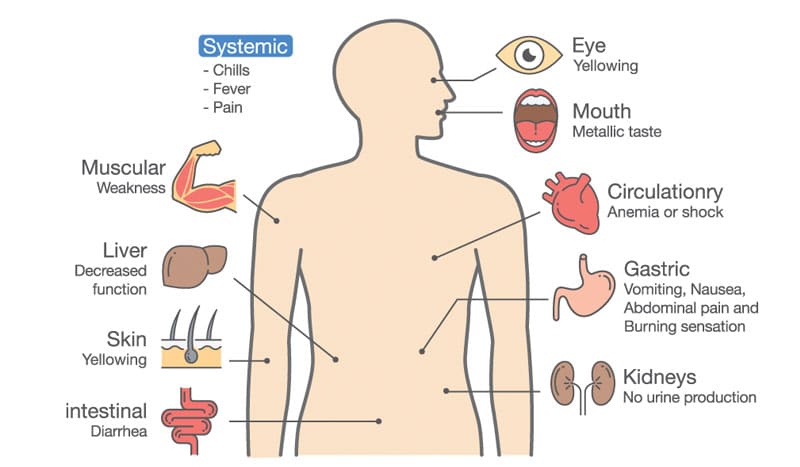
Symptoms: Symptoms of CKD can vary based on how severe or advanced the condition is. Most people do not experience any severe symptoms until the kidney disease reaches those later stages. However, symptoms may show up when excessive waste and fluid retention occurs due to severe kidney damage. Patients may experience fatigue, trouble concentrating, poor appetite, trouble sleeping, muscle cramping, swollen feet and ankles, dry and itchy skin, and increased urination frequency with decreased amount. CKD patients’ may also have kidney inflammation which allows albumin or blood cell leakage from the blood to the urine which causes high protein levels in the urine (proteinuria). Symptoms of proteinuria include bubbling of urine, blood in urine, chills, hot flashes, and excessive sweating. If the kidneys stop working suddenly, which is referred to as acute kidney failure, patients can experience nosebleeds, fever, vomiting, back pain, and abdominal pain. CKD patients with kidney mycobacterial infections may have symptoms including back, flank and suprapubic pain, hematuria or dark colored urine, burning with urination, increased urination at night or bubbles in urine. Symptoms may also include body heaviness and muscle weakness. CKD patients with kidney fungal infections may have symptoms of difficult urination. Patients may have the urge to urinate, but little or no urine is passed.

Diagnoses: Glomerular Filtration Rate (GFR) is the best test to measure the level of kidney function and also to determine which stage of CKD the patient is suffering from. GFR is measured through the levels of creatinine in the blood factored along with age, race, and gender. Creatinine is a waste product made in the body’s muscles from the metabolism of creatinine which supplies energy for muscle contractions. Creatinine level, as a marker of kidney function, should be kept at the correct level when the kidneys are functioning properly. In adults, the normal GFR number is more than 90. The normal creatinine level in the blood is between 0.6 to 1.2 mg/dL for men and 0.5 to 1.1 mg/dL for women. For patients with a mildly low GFR between 60 and 89 may not have kidney disease if there is no sign of kidney damage like protein in their urine. If there are signs of kidney damage such as protein in their urine, then they may have early kidney disease. For patients with a GFR below 60 for more than three months, they are diagnosed with moderate to severe CKD. The blood urea nitrogen (BUN) levels are also elevated in patients with CKD when the kidneys are not able to remove urea from the blood properly. The normal BUN level is between 7 to 20 mg/dL. Stages 1-2 of CKD falls under those patients that have a GFR of above 60 but have signs of kidney disease such as protein in their urine. Stage 3 CKD occurs when patients have a GFR between 30 and 59. In addition to their elevated creatinine and BUN levels, these patients may develop complications such as high blood pressure, anemia, and/or early bone disease. The anemia in stage 3 CKD patients is caused by a reduced production of erythropoietin from the damaged kidney to stimulate the bone marrow to produce RBCs. As a result, patients may develop symptoms of generalized fatigue. Stage 4 CKD patients have advanced kidney damage and a severe decrease in GFR at 15-30 while stage 5 CKD patients have below a 15 GFR. In addition to very high levels of creatinine and BUN levels, patient's blood calcium level is also severely increased. Extremely high blood calcium level is very dangerous as it can cause cardiac arrest with sudden death. Stage 5 CKD is considered end-stage renal disease and at this stage, about 85-90% of the patients’ kidney function is gone and dialysis or a kidney transplant may be recommended.

Please see the “Chronic Kidney Disease and Complications” protocol to learn more about complications caused by CKD.

Login as practitioner to view Wellness Recommendation.

Condition of the Month-February 2024
Chronic Kidney Disease (CKD) Protocol

Login as practitioner to view Wellness Recommendation.


Chronic Kidney Disease (CKD) occurs when there is a gradual loss of kidney function. This leads to a decrease in removing excess fluids, minerals, and waste out of the blood. High levels of waste in the blood can lead to further complications such as high blood pressure, anemia, weak bones, heart disease, and nerve damage. CKD usually gets worse gradually and can progress to end-stage kidney failure, which may require kidney dialysis or a kidney transplant. The kidneys’ main job is to filter excess water and waste molecules out of the blood to produce urine. They also help keep the body working properly through the balancing of salts and minerals like calcium, phosphorous, sodium, and potassium. The kidneys’ also produce hormones including, renin and erythropoietin, which regulate blood pressure and make red blood cells (RBCs). In CKD, all of these functions become impaired.

Causes: CKD can be caused by various factors.

The two main causes of CKD are diabetes and high blood pressure. In diabetes, chronic high blood sugar levels can damage many organs of the body including the kidneys, heart, and blood vessels. When the blood vessels of the kidneys become damaged, kidney function declines. Diabetes can drive inflammation of the blood vessels which could dramatically accelerate atherosclerosis causing renal artery hardening and narrowing leading to significantly reduced blood flow to the kidney. When blood flow is reduced, high blood pressure occurs because when the kidneys receive low blood flow, they react as if the body is dehydrated. The kidneys then respond by releasing hormones that stimulate the body to retain sodium and water. Blood vessels then fill with additional fluid, and blood pressure rises. High blood pressure can also damage the blood vessels in the kidneys which again reduce their ability to function properly. When the force of blood flow is too high, the blood vessels, including the tiny capillaries of the glomerulus, stretch so blood can flow more easily through. But eventually, this stretching can scar and weaken the blood vessels. When the blood vessels of the kidneys become damaged, they can stop removing waste and extra fluid from the body which can raise blood pressure even more and create a dangerous cycle. Other causes of CKD include glomerulonephritis, infection, polycystic kidney disease, malformations, lupus, and obstructions caused by kidney stones or tumors. Glomerulonephritis is a group of diseases that causes inflammation and damage to the kidneys glomeruli, which are the kidneys filtering units. Chronic glomerulonephritis can cause cumulative damage and scarring of the tiny blood filters. This is the most common cause of CKD following diabetes and high blood pressure. Infections such as a mycobacterial or fungal infection can also lead to CKD. Mycobacteria such as nontuberculous mycobacteria (NTM) can cause damage and scarring to the kidneys due to the formation of granulomas causing accelerated kidney degeneration. Fungal infections of the kidney can cause varied lesions depending upon the type of organism. Fungal infections by Candida or Aspergillus is both a cause of CKD and a common complication among end stage or renal failure patients. Mycoplasma such as Mycoplasma hominis can infect the kidney and cause kidney cysts, scars, and chronic kidney disease in severe cases. Polycystic kidney disease is an inherited disorder characterized by large cysts to form in the kidneys and damage the surrounding tissue. Lupus and obstructions of the kidneys are less common causes but can still lead to CKD.

Symptoms: Symptoms of CKD can vary based on how severe or advanced the condition is. Most people do not experience any severe symptoms until the kidney disease reaches those later stages. However, symptoms may show up when excessive waste and fluid retention occurs due to severe kidney damage. Patients may experience fatigue, trouble concentrating, poor appetite, trouble sleeping, muscle cramping, swollen feet and ankles, dry and itchy skin, and increased urination frequency with decreased amount. CKD patients’ may also have kidney inflammation which allows albumin or blood cell leakage from the blood to the urine which causes high protein levels in the urine (proteinuria). Symptoms of proteinuria include bubbling of urine, blood in urine, chills, hot flashes, and excessive sweating. If the kidneys stop working suddenly, which is referred to as acute kidney failure, patients can experience nosebleeds, fever, vomiting, back pain, and abdominal pain. CKD patients with kidney mycobacterial infections may have symptoms including back, flank and suprapubic pain, hematuria or dark colored urine, burning with urination, increased urination at night or bubbles in urine. Symptoms may also include body heaviness and muscle weakness. CKD patients with kidney fungal infections may have symptoms of difficult urination. Patients may have the urge to urinate, but little or no urine is passed.

Diagnoses: Glomerular Filtration Rate (GFR) is the best test to measure the level of kidney function and also to determine which stage of CKD the patient is suffering from. GFR is measured through the levels of creatinine in the blood factored along with age, race, and gender. Creatinine is a waste product made in the body’s muscles from the metabolism of creatinine which supplies energy for muscle contractions. Creatinine level, as a marker of kidney function, should be kept at the correct level when the kidneys are functioning properly. In adults, the normal GFR number is more than 90. The normal creatinine level in the blood is between 0.6 to 1.2 mg/dL for men and 0.5 to 1.1 mg/dL for women. For patients with a mildly low GFR between 60 and 89 may not have kidney disease if there is no sign of kidney damage like protein in their urine. If there are signs of kidney damage such as protein in their urine, then they may have early kidney disease. For patients with a GFR below 60 for more than three months, they are diagnosed with moderate to severe CKD. The blood urea nitrogen (BUN) levels are also elevated in patients with CKD when the kidneys are not able to remove urea from the blood properly. The normal BUN level is between 7 to 20 mg/dL. Stages 1-2 of CKD falls under those patients that have a GFR of above 60 but have signs of kidney disease such as protein in their urine. Stage 3 CKD occurs when patients have a GFR between 30 and 59. In addition to their elevated creatinine and BUN levels, these patients may develop complications such as high blood pressure, anemia, and/or early bone disease. The anemia in stage 3 CKD patients is caused by a reduced production of erythropoietin from the damaged kidney to stimulate the bone marrow to produce RBCs. As a result, patients may develop symptoms of generalized fatigue. Stage 4 CKD patients have advanced kidney damage and a severe decrease in GFR at 15-30 while stage 5 CKD patients have below a 15 GFR. In addition to very high levels of creatinine and BUN levels, patient's blood calcium level is also severely increased. Extremely high blood calcium level is very dangerous as it can cause cardiac arrest with sudden death. Stage 5 CKD is considered end-stage renal disease and at this stage, about 85-90% of the patients’ kidney function is gone and dialysis or a kidney transplant may be recommended.

Please see the “Chronic Kidney Disease and Complications” protocol to learn more about complications caused by CKD.

Login as practitioner to view Wellness Recommendation.


Explore Wei Laboratories