Conditions
Bell’s Palsy Protocol Acid Reflux and GERD Acne Protocol Allergies, Asthma, and Eczema Anemia Ankylosing Spondylitis Protocol Arrhythmia and Afib Protocol Asthma Protocol Atherosclerosis ATP + Attention Deficit Hyperactivity Disorder (ADHD) Atypical Bacterial and Mycobacterial Infections- Respiratory Avascular Necrosis & PS Baker's Cyst Bone Fracture Protocol Bone Spur Bronchiectasis Bulging and Herniated Disc Protocol Bunion Bursitis C. Difficile Cancer Care Candida & Fungal Infections Protocol Cardiovascular Cataracts Protocol Chronic Kidney Disease (CKD) Protocol Cold and Flu Concussion Treatment COPD, Emphysema, and Chronic Bronchitis Protocol Cyst Protocol Cystic Fibrosis Digestive Tract Bacterial and Viral Infections Diverticulitis Dupuytren Contracture Ear Infection & Tinnitus Eczema & Atopic Dermatitis Erectile Dysfunction (ED) Protocol Fatty Liver Disease & Hepatitis Protocol Female Infertility Fibromyalgia Food Allergies and Intolerances Frozen Shoulder & Rotator Cuff Injury Gallbladder Stone Glaucoma & Cataracts Protocol Gout Hair Loss Protocol Hashimoto's Thyroiditis Heart Inflammation Heavy Metal Toxicity Hernia High Blood Pressure Hip Pain Protocol Hyperlipidemia (High Cholesterol) IBD, Ulcerative Colitis, Crohn's Disease IBS Insomnia Kidney Stone Leaky Gut Liver Cirrhosis Long COVID Symptoms Low Testosterone Lupus Lyme Disease Macular Degeneration Male Infertility Men's Health Meniscus and Cartilage Tear Menopause Migraine and Headache Nervous System Viral Infections and Complications Neuropathy OA Customized Treatment Osteoarthritis and Bone-on-Bone Protocol Parasite Infection Protocol Parkinson's Disease PMS, Post Menstrual Syndrome, & Premenstrual Dysphoric Disorder Post-Surgical Wound Healing and Scar Removal Protocol Post-Viral Syndrome Prostate Enlargement Psoriasis and Psoriatic Arthritis Pulmonary Fibrosis & ILD Rheumatoid Arthritis Sarcoidosis Protocol Sinusitis Sinusitis and Nasal Congestion Protocol Skin & Nail Fungal Infections Protocol Sleep Apnea Protocol Sprains and Strains Staph & Strep Infections Stenosis and Bone Spur Stress, Anxiety, Depression Stress, Anxiety, PTSD and Depression Stroke and Post-Stroke Recovery Teeth & Gums Protocol Telomere + Tendinitis Thyroid Disorders Thyroid Disorders Protocol TMJ Syndrome Treatment Sequence Type II Diabetes Urinary Incontinence & Pelvic Organ Prolapse Protocol Uterine Fibroids & Ovarian Cysts UTI Viral Infections Vitiligo Protocol WeiDetox Weight Control Women's Health
Quick Links
Find a Practitioner Practitioner Sign Up Contact Us Subscribe to Monthly Newsletter
Condition
Bell’s Palsy Protocol Acid Reflux and GERD Acne Protocol Allergies, Asthma, and Eczema Anemia Ankylosing Spondylitis Protocol Arrhythmia and Afib Protocol Asthma Protocol Atherosclerosis ATP + Attention Deficit Hyperactivity Disorder (ADHD) Atypical Bacterial and Mycobacterial Infections- Respiratory Avascular Necrosis & PS Baker's Cyst Bone Fracture Protocol Bone Spur Bronchiectasis Bulging and Herniated Disc Protocol Bunion Bursitis C. Difficile Cancer Care Candida & Fungal Infections Protocol Cardiovascular Cataracts Protocol Chronic Kidney Disease (CKD) Protocol Cold and Flu Concussion Treatment COPD, Emphysema, and Chronic Bronchitis Protocol Cyst Protocol Cystic Fibrosis Digestive Tract Bacterial and Viral Infections Diverticulitis Dupuytren Contracture Ear Infection & Tinnitus Eczema & Atopic Dermatitis Erectile Dysfunction (ED) Protocol Fatty Liver Disease & Hepatitis Protocol Female Infertility Fibromyalgia Food Allergies and Intolerances Frozen Shoulder & Rotator Cuff Injury Gallbladder Stone Glaucoma & Cataracts Protocol Gout Hair Loss Protocol Hashimoto's Thyroiditis Heart Inflammation Heavy Metal Toxicity Hernia High Blood Pressure Hip Pain Protocol Hyperlipidemia (High Cholesterol) IBD, Ulcerative Colitis, Crohn's Disease IBS Insomnia Kidney Stone Leaky Gut Liver Cirrhosis Long COVID Symptoms Low Testosterone Lupus Lyme Disease Macular Degeneration Male Infertility Men's Health Meniscus and Cartilage Tear Menopause Migraine and Headache Nervous System Viral Infections and Complications Neuropathy OA Customized Treatment Osteoarthritis and Bone-on-Bone Protocol Parasite Infection Protocol Parkinson's Disease PMS, Post Menstrual Syndrome, & Premenstrual Dysphoric Disorder Post-Surgical Wound Healing and Scar Removal Protocol Post-Viral Syndrome Prostate Enlargement Psoriasis and Psoriatic Arthritis Pulmonary Fibrosis & ILD Rheumatoid Arthritis Sarcoidosis Protocol Sinusitis Sinusitis and Nasal Congestion Protocol Skin & Nail Fungal Infections Protocol Sleep Apnea Protocol Sprains and Strains Staph & Strep Infections Stenosis and Bone Spur Stress, Anxiety, Depression Stress, Anxiety, PTSD and Depression Stroke and Post-Stroke Recovery Teeth & Gums Protocol Telomere + Tendinitis Thyroid Disorders Thyroid Disorders Protocol TMJ Syndrome Treatment Sequence Type II Diabetes Urinary Incontinence & Pelvic Organ Prolapse Protocol Uterine Fibroids & Ovarian Cysts UTI Viral Infections Vitiligo Protocol WeiDetox Weight Control Women's Health
Condition of the Month-March 2020
Ear Infection & Tinnitus

Login as practitioner to view Wellness Recommendation.


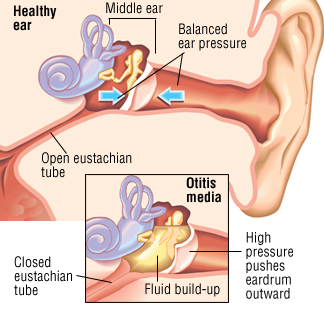
Ear Infection An ear infection occurs when a bacterial or viral infection infects the ear and causes inflammation of the inner, middle, or outer ear. Infections usually occur in the middle ear, called otitis media, when the Eustachian tube that connects the middle ear to the pharynx becomes blocked with fluid and mucus. Infections are typically caused by a virus, bacterium, or coinfection with both. The most common bacterial organisms causing middle ear infections are Streptococcus pneumoniae, followed by Haemophilus influenza.1 The most common viral pathogens include RSV, influenza viruses, adenovirus, and picornavirus.1 Following a viral respiratory infection, an inflammatory process usually occurs involving the mucosa of the nose, nasopharynx, and Eustachian tube. Otitis media typically causes symptoms of ear pain, drainage of fluid from the ear, and trouble hearing.

An inner ear infection occurs at the labyrinth which is a delicate structure deep inside the ear responsible for balance and hearing. This mostly occurs from a viral infection but can also be caused by a bacterial infection. Viruses such as influenza, herpes viruses, Epstein-Barr virus, and polio are all associated with inner ear infections. Inner ear infections typically last longer than middle or outer ear infections. The inflammation of the labyrinth can cause symptoms including dizziness, nausea, issues with balance, or hearing loss.

An outer ear infection, called otitis externa, is an infection of the outer opening of the ear and the ear canal. A common type of otitis externa is referred to as “swimmers ear.” This is because swimming, especially in water with high levels of bacteria, can lead to water left inside the ear canal which becomes a breeding ground for bacteria. An infection can also occur when the thin layer of skin that lines the ear canal is injured from intense scratching, headphones, or cotton swabs. When this skin becomes damaged and inflamed it can provide a foothold for bacteria. Symptoms of an outer ear infection include swelling, redness, pain/discomfort in the ear, discharge of pus, itching, and diminished hearing.

Motion sickness
Motion sickness occurs when the CNS receives conflicting messages from the sensory systems. This can occur in a moving vehicle such as a car, plane, and especially a boat. Motion sickness can be caused when the endolymph of the semicircular canals is compromised. If there is a buildup of fluid in these areas then the ear cannot communicate to the brain where the position of the head is in position to the body. This can cause symptoms of dizziness, vomiting, nausea, headaches, and fatigue.

Tinnitus
Tinnitus or ringing in the ears can be described as a buzzing, ringing, whistling, clicking, or hissing in the ear and can be intermittent or continuous. The most common types of tinnitus are characterized by the perception of sound that is not caused by external acoustic stimuli. The sound can range from very loud to very soft, high or low pitch, and can be unilaterally or bilaterally. Patients with tinnitus usually experience background noise. These noises can become louder suddenly or there can be new noises that weren’t heard before. This is referred to as flare-ups or tinnitus spikes. There are a number of different factors that can cause and worsen tinnitus symptoms.

Meniere's disease
Meniere's disease is a disorder of the inner ear that can lead to vertigo, hearing loss, and tinnitus. In most cases, this condition only affects one ear. Meniere’s disease can occur at any age but usually starts in young to middle-aged adulthood. This condition can greatly impact the patient’s daily life as episodes of vertigo and hearing loss can occur unexpectedly causing fatigue and stress.

Inner Ear Anatomy and Cause of Tinnitus
The labyrinth or the inner ear contains two main structures including the cochlea and the vestibular system. The vestibular system consists of the three semicircular canals and two sacs called the saccule and the utricle. The cochlea is responsible for hearing and the vestibular system is responsible for motion and maintaining balance. The cochlea and the vestibular system are filled with fluid, called endolymph, and they are also soaked in the fluid called perilymph. The inner ear structure is something like a “balloon within a balloon” arrangement.
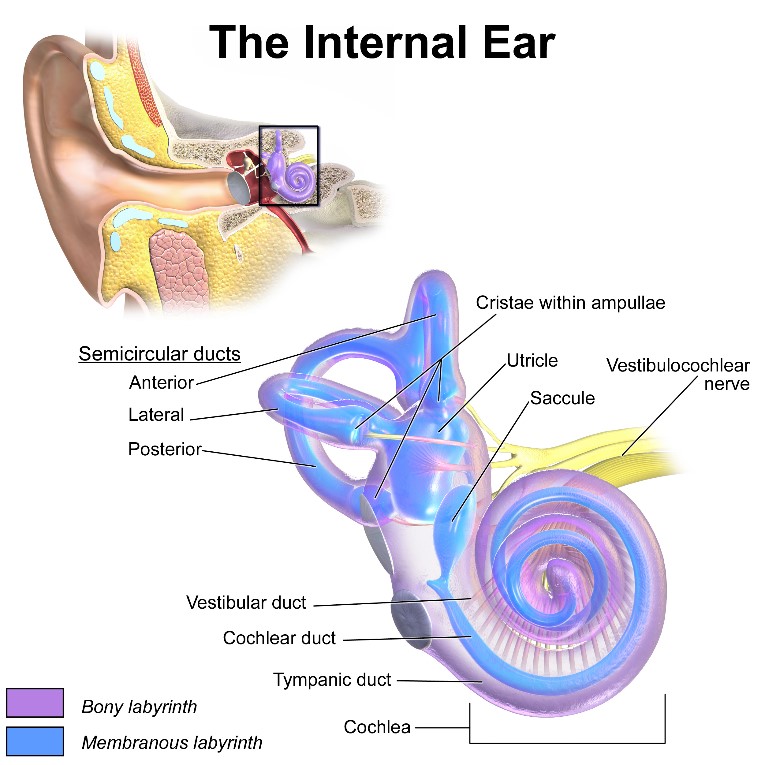
Both the cochlea and the vestibular system contain specialized sensory hair cells. The vibrations transmitted from the middle ear cause tiny waves to form in the inner ear fluid, which makes the cilia of the hair cells in the cochlea vibrate. The hair cells then convert these vibrations into nerve signals, which are interpreted as sound when the signal is sent to the brain via the auditory nerve.

The hair cells in the vestibular system are responsible for detecting movement rather than sound. When our head moves, the fluid within the vestibular system also moves. This fluid motion is detected by the hair cells in the vestibular system, which then sends nerve impulses about the position of your head and body to the brain to allow you to maintain your balance.

The inner ear is an endolymphatic system. The membranous structure of the cochlea and the semicircular canals are also called the endolymphatic sac. The endolymph fluid chemical makeup is similar to the intracellular fluid which contains high potassium and low sodium. The endolymphatic sac functions similarly to the lymphatic ducts and regulates the fluid exchange in the ear to maintain endolymphatic fluid volume, pressure, ion transporter, mechanical valve, endolymph production, as well as immune function. Well balanced endolymph fluid volume and chemical composition allow the hair cells that are bathed in the endolymph to function normally and are essential to normal hearing, balance, and movement.

Conditions that affect the endolymphatic system of the inner ear can lead to tinnitus and motion sickness. Poor endolymphatic sac function can affect the endolymph volume, pressure, or ion composition. This can further affect inner ear hair cells function and trigger the release of an electrical signal. If hair cells in the cochlea are affected it causes symptoms of tinnitus. If hair cells in the vestibular system are affected, patients can experience symptoms of motion sickness.

Tinnitus can also be caused by damage to the inner ear hair cells. If the hairs are damaged they can release random electrical impulses to the brain causing tinnitus. Age-related hearing loss can also cause tinnitus. Repeated exposure to loud noises can damage the sensory hair cells in the inner ear and can result in tinnitus. Injury of nerves in the ear or the hearing center in the brain can also cause tinnitus. Tinnitus is common among veterans who have been exposed to repeated bomb blasts, which can damage the areas of the brain that process sound. 2

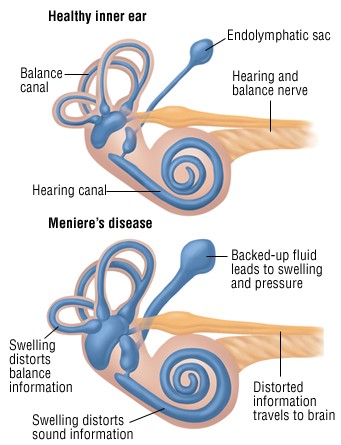
Meniere’s disease can lead to vertigo, hearing loss, and tinnitus. Although the cause of Meniere’s disease is unknown, the symptoms of Meniere’s disease appear to be the result of an abnormal amount of fluid in the inner ear (endolymph) on both cochlea and the vestibular system. In Meniere’s disease, improper fluid drainage, abnormal immune response, viral infections, and genetic predisposition have all been identified as possible factors that affect the endolymph and causes an excess amount of fluid. On top of the dizziness and nausea, patients may also experience flare-ups which can cause some loss of hearing in one or both ears and a constant ringing sound.
In TCM theory, tinnitus, motion sickness, and Meniere’s disease are categorized by its etiology. Poor endolymphatic sac function is a condition of spleen deficiency and the resulting disturbance to the endolymph quality in the inner ear is a condition called phlegm-damp. A spleen deficiency can cause phlegm-damp accumulation in the inner ear causing tinnitus, motion sickness or Meniere’s disease. In addition to the spleen deficiency and spleen damp, tinnitus can also be caused by respiratory infections, abnormal liver function, the “hot state”, and kidney dysfunction.2 A respiratory infection and heat belonging to the liver and gallbladder channels can cause extreme wind and flames upwards leading to acute tinnitus or flare-ups. A kidney deficiency can cause tinnitus by deficient heat rising or through denying essential qi which is the energy necessary to ascend and fill the orifices. A spleen deficiency can cause phlegm-damp accumulation in the body which is a factor in both atherosclerosis and tumors which can lead to objective tinnitus or tinnitus caused by turbulent blood flow in the major vessels of the head. Injuries to the hair cells, nerves, and the brain center is a type of Blood Stasis in TCM which can block the signal that is transmitted and interpreted incorrectly causing symptoms of tinnitus.

References:

  1. Danishyar A, Ashurst JV. Acute Otitis Media. [Updated 2019 Jul 30]. In: StatPearls [Internet]. Treasure Island (FL): StatPearls Publishing; 2020 Jan-. Available from: https://www.ncbi.nlm.nih.gov/books/NBK470332/
  2. HealthCMi. (2018, February 18). Retrieved from https://www.healthcmi.com/Acupuncturists/tinnitus-article-continued
  3. Admin, & Admin. (2013, July 7). Fang Feng (Saposhnikovia Divaricata, Radix Saposhnikoviae). Retrieved from http://www.chineseherbshealing.com/fang-feng-saposhnikovia-divaricata-radix-saposhnikoviae/
  4. Wu, Y.-C., & Hsieh, C.-L. (2011). Pharmacological effects of Radix Angelica Sinensis (Danggui) on cerebral infarction. Chinese Medicine, 6(1), 32. doi: 10.1186/1749-8546-6-32


Login as practitioner to view Wellness Recommendation.

Condition of the Month-March 2020
Ear Infection & Tinnitus

Login as practitioner to view Wellness Recommendation.


Ear Infection An ear infection occurs when a bacterial or viral infection infects the ear and causes inflammation of the inner, middle, or outer ear. Infections usually occur in the middle ear, called otitis media, when the Eustachian tube that connects the middle ear to the pharynx becomes blocked with fluid and mucus. Infections are typically caused by a virus, bacterium, or coinfection with both. The most common bacterial organisms causing middle ear infections are Streptococcus pneumoniae, followed by Haemophilus influenza.1 The most common viral pathogens include RSV, influenza viruses, adenovirus, and picornavirus.1 Following a viral respiratory infection, an inflammatory process usually occurs involving the mucosa of the nose, nasopharynx, and Eustachian tube. Otitis media typically causes symptoms of ear pain, drainage of fluid from the ear, and trouble hearing.

An inner ear infection occurs at the labyrinth which is a delicate structure deep inside the ear responsible for balance and hearing. This mostly occurs from a viral infection but can also be caused by a bacterial infection. Viruses such as influenza, herpes viruses, Epstein-Barr virus, and polio are all associated with inner ear infections. Inner ear infections typically last longer than middle or outer ear infections. The inflammation of the labyrinth can cause symptoms including dizziness, nausea, issues with balance, or hearing loss.

An outer ear infection, called otitis externa, is an infection of the outer opening of the ear and the ear canal. A common type of otitis externa is referred to as “swimmers ear.” This is because swimming, especially in water with high levels of bacteria, can lead to water left inside the ear canal which becomes a breeding ground for bacteria. An infection can also occur when the thin layer of skin that lines the ear canal is injured from intense scratching, headphones, or cotton swabs. When this skin becomes damaged and inflamed it can provide a foothold for bacteria. Symptoms of an outer ear infection include swelling, redness, pain/discomfort in the ear, discharge of pus, itching, and diminished hearing.

Motion sickness
Motion sickness occurs when the CNS receives conflicting messages from the sensory systems. This can occur in a moving vehicle such as a car, plane, and especially a boat. Motion sickness can be caused when the endolymph of the semicircular canals is compromised. If there is a buildup of fluid in these areas then the ear cannot communicate to the brain where the position of the head is in position to the body. This can cause symptoms of dizziness, vomiting, nausea, headaches, and fatigue.

Tinnitus
Tinnitus or ringing in the ears can be described as a buzzing, ringing, whistling, clicking, or hissing in the ear and can be intermittent or continuous. The most common types of tinnitus are characterized by the perception of sound that is not caused by external acoustic stimuli. The sound can range from very loud to very soft, high or low pitch, and can be unilaterally or bilaterally. Patients with tinnitus usually experience background noise. These noises can become louder suddenly or there can be new noises that weren’t heard before. This is referred to as flare-ups or tinnitus spikes. There are a number of different factors that can cause and worsen tinnitus symptoms.

Meniere's disease
Meniere's disease is a disorder of the inner ear that can lead to vertigo, hearing loss, and tinnitus. In most cases, this condition only affects one ear. Meniere’s disease can occur at any age but usually starts in young to middle-aged adulthood. This condition can greatly impact the patient’s daily life as episodes of vertigo and hearing loss can occur unexpectedly causing fatigue and stress.

Inner Ear Anatomy and Cause of Tinnitus
The labyrinth or the inner ear contains two main structures including the cochlea and the vestibular system. The vestibular system consists of the three semicircular canals and two sacs called the saccule and the utricle. The cochlea is responsible for hearing and the vestibular system is responsible for motion and maintaining balance. The cochlea and the vestibular system are filled with fluid, called endolymph, and they are also soaked in the fluid called perilymph. The inner ear structure is something like a “balloon within a balloon” arrangement.

Both the cochlea and the vestibular system contain specialized sensory hair cells. The vibrations transmitted from the middle ear cause tiny waves to form in the inner ear fluid, which makes the cilia of the hair cells in the cochlea vibrate. The hair cells then convert these vibrations into nerve signals, which are interpreted as sound when the signal is sent to the brain via the auditory nerve.

The hair cells in the vestibular system are responsible for detecting movement rather than sound. When our head moves, the fluid within the vestibular system also moves. This fluid motion is detected by the hair cells in the vestibular system, which then sends nerve impulses about the position of your head and body to the brain to allow you to maintain your balance.

The inner ear is an endolymphatic system. The membranous structure of the cochlea and the semicircular canals are also called the endolymphatic sac. The endolymph fluid chemical makeup is similar to the intracellular fluid which contains high potassium and low sodium. The endolymphatic sac functions similarly to the lymphatic ducts and regulates the fluid exchange in the ear to maintain endolymphatic fluid volume, pressure, ion transporter, mechanical valve, endolymph production, as well as immune function. Well balanced endolymph fluid volume and chemical composition allow the hair cells that are bathed in the endolymph to function normally and are essential to normal hearing, balance, and movement.

Conditions that affect the endolymphatic system of the inner ear can lead to tinnitus and motion sickness. Poor endolymphatic sac function can affect the endolymph volume, pressure, or ion composition. This can further affect inner ear hair cells function and trigger the release of an electrical signal. If hair cells in the cochlea are affected it causes symptoms of tinnitus. If hair cells in the vestibular system are affected, patients can experience symptoms of motion sickness.

Tinnitus can also be caused by damage to the inner ear hair cells. If the hairs are damaged they can release random electrical impulses to the brain causing tinnitus. Age-related hearing loss can also cause tinnitus. Repeated exposure to loud noises can damage the sensory hair cells in the inner ear and can result in tinnitus. Injury of nerves in the ear or the hearing center in the brain can also cause tinnitus. Tinnitus is common among veterans who have been exposed to repeated bomb blasts, which can damage the areas of the brain that process sound. 2

Meniere’s disease can lead to vertigo, hearing loss, and tinnitus. Although the cause of Meniere’s disease is unknown, the symptoms of Meniere’s disease appear to be the result of an abnormal amount of fluid in the inner ear (endolymph) on both cochlea and the vestibular system. In Meniere’s disease, improper fluid drainage, abnormal immune response, viral infections, and genetic predisposition have all been identified as possible factors that affect the endolymph and causes an excess amount of fluid. On top of the dizziness and nausea, patients may also experience flare-ups which can cause some loss of hearing in one or both ears and a constant ringing sound.

In TCM theory, tinnitus, motion sickness, and Meniere’s disease are categorized by its etiology. Poor endolymphatic sac function is a condition of spleen deficiency and the resulting disturbance to the endolymph quality in the inner ear is a condition called phlegm-damp. A spleen deficiency can cause phlegm-damp accumulation in the inner ear causing tinnitus, motion sickness or Meniere’s disease. In addition to the spleen deficiency and spleen damp, tinnitus can also be caused by respiratory infections, abnormal liver function, the “hot state”, and kidney dysfunction.2 A respiratory infection and heat belonging to the liver and gallbladder channels can cause extreme wind and flames upwards leading to acute tinnitus or flare-ups. A kidney deficiency can cause tinnitus by deficient heat rising or through denying essential qi which is the energy necessary to ascend and fill the orifices. A spleen deficiency can cause phlegm-damp accumulation in the body which is a factor in both atherosclerosis and tumors which can lead to objective tinnitus or tinnitus caused by turbulent blood flow in the major vessels of the head. Injuries to the hair cells, nerves, and the brain center is a type of Blood Stasis in TCM which can block the signal that is transmitted and interpreted incorrectly causing symptoms of tinnitus.

References:

  1. Danishyar A, Ashurst JV. Acute Otitis Media. [Updated 2019 Jul 30]. In: StatPearls [Internet]. Treasure Island (FL): StatPearls Publishing; 2020 Jan-. Available from: https://www.ncbi.nlm.nih.gov/books/NBK470332/
  2. HealthCMi. (2018, February 18). Retrieved from https://www.healthcmi.com/Acupuncturists/tinnitus-article-continued
  3. Admin, & Admin. (2013, July 7). Fang Feng (Saposhnikovia Divaricata, Radix Saposhnikoviae). Retrieved from http://www.chineseherbshealing.com/fang-feng-saposhnikovia-divaricata-radix-saposhnikoviae/
  4. Wu, Y.-C., & Hsieh, C.-L. (2011). Pharmacological effects of Radix Angelica Sinensis (Danggui) on cerebral infarction. Chinese Medicine, 6(1), 32. doi: 10.1186/1749-8546-6-32

Login as practitioner to view Wellness Recommendation.


Explore Wei Laboratories