Conditions
Bell’s Palsy Protocol Acid Reflux and GERD Acne Protocol Allergies, Asthma, and Eczema Anemia Ankylosing Spondylitis Protocol Arrhythmia and Afib Protocol Asthma Protocol Atherosclerosis ATP + Attention Deficit Hyperactivity Disorder (ADHD) Atypical Bacterial and Mycobacterial Infections- Respiratory Avascular Necrosis & PS Baker's Cyst Bone Fracture Protocol Bone Spur Bronchiectasis Bulging and Herniated Disc Protocol Bunion Bursitis C. Difficile Cancer Care Candida & Fungal Infections Protocol Cardiovascular Cataracts Protocol Chronic Kidney Disease (CKD) Protocol Cold and Flu Concussion Treatment COPD, Emphysema, and Chronic Bronchitis Protocol Cyst Protocol Cystic Fibrosis Digestive Tract Bacterial and Viral Infections Diverticulitis Dupuytren Contracture Ear Infection & Tinnitus Eczema & Atopic Dermatitis Erectile Dysfunction (ED) Protocol Fatty Liver Disease & Hepatitis Protocol Female Infertility Fibromyalgia Food Allergies and Intolerances Frozen Shoulder & Rotator Cuff Injury Gallbladder Stone Glaucoma & Cataracts Protocol Gout Hair Loss Protocol Hashimoto's Thyroiditis Heart Inflammation Heavy Metal Toxicity Hernia High Blood Pressure Hip Pain Protocol Hyperlipidemia (High Cholesterol) IBD, Ulcerative Colitis, Crohn's Disease IBS Insomnia Kidney Stone Leaky Gut Liver Cirrhosis Long COVID Symptoms Low Testosterone Lupus Lyme Disease Macular Degeneration Male Infertility Men's Health Meniscus and Cartilage Tear Menopause Migraine and Headache Nervous System Viral Infections and Complications Neuropathy OA Customized Treatment Osteoarthritis and Bone-on-Bone Protocol Parasite Infection Protocol Parkinson's Disease PMS, Post Menstrual Syndrome, & Premenstrual Dysphoric Disorder Post-Surgical Wound Healing and Scar Removal Protocol Post-Viral Syndrome Prostate Enlargement Psoriasis and Psoriatic Arthritis Pulmonary Fibrosis & ILD Rheumatoid Arthritis Sarcoidosis Protocol Sinusitis Sinusitis and Nasal Congestion Protocol Skin & Nail Fungal Infections Protocol Sleep Apnea Protocol Sprains and Strains Staph & Strep Infections Stenosis and Bone Spur Stress, Anxiety, Depression Stress, Anxiety, PTSD and Depression Stroke and Post-Stroke Recovery Teeth & Gums Protocol Telomere + Tendinitis Thyroid Disorders Thyroid Disorders Protocol TMJ Syndrome Treatment Sequence Type II Diabetes Urinary Incontinence & Pelvic Organ Prolapse Protocol Uterine Fibroids & Ovarian Cysts UTI Viral Infections Vitiligo Protocol WeiDetox Weight Control Women's Health
Quick Links
Find a Practitioner Practitioner Sign Up Contact Us Subscribe to Monthly Newsletter
Condition
Bell’s Palsy Protocol Acid Reflux and GERD Acne Protocol Allergies, Asthma, and Eczema Anemia Ankylosing Spondylitis Protocol Arrhythmia and Afib Protocol Asthma Protocol Atherosclerosis ATP + Attention Deficit Hyperactivity Disorder (ADHD) Atypical Bacterial and Mycobacterial Infections- Respiratory Avascular Necrosis & PS Baker's Cyst Bone Fracture Protocol Bone Spur Bronchiectasis Bulging and Herniated Disc Protocol Bunion Bursitis C. Difficile Cancer Care Candida & Fungal Infections Protocol Cardiovascular Cataracts Protocol Chronic Kidney Disease (CKD) Protocol Cold and Flu Concussion Treatment COPD, Emphysema, and Chronic Bronchitis Protocol Cyst Protocol Cystic Fibrosis Digestive Tract Bacterial and Viral Infections Diverticulitis Dupuytren Contracture Ear Infection & Tinnitus Eczema & Atopic Dermatitis Erectile Dysfunction (ED) Protocol Fatty Liver Disease & Hepatitis Protocol Female Infertility Fibromyalgia Food Allergies and Intolerances Frozen Shoulder & Rotator Cuff Injury Gallbladder Stone Glaucoma & Cataracts Protocol Gout Hair Loss Protocol Hashimoto's Thyroiditis Heart Inflammation Heavy Metal Toxicity Hernia High Blood Pressure Hip Pain Protocol Hyperlipidemia (High Cholesterol) IBD, Ulcerative Colitis, Crohn's Disease IBS Insomnia Kidney Stone Leaky Gut Liver Cirrhosis Long COVID Symptoms Low Testosterone Lupus Lyme Disease Macular Degeneration Male Infertility Men's Health Meniscus and Cartilage Tear Menopause Migraine and Headache Nervous System Viral Infections and Complications Neuropathy OA Customized Treatment Osteoarthritis and Bone-on-Bone Protocol Parasite Infection Protocol Parkinson's Disease PMS, Post Menstrual Syndrome, & Premenstrual Dysphoric Disorder Post-Surgical Wound Healing and Scar Removal Protocol Post-Viral Syndrome Prostate Enlargement Psoriasis and Psoriatic Arthritis Pulmonary Fibrosis & ILD Rheumatoid Arthritis Sarcoidosis Protocol Sinusitis Sinusitis and Nasal Congestion Protocol Skin & Nail Fungal Infections Protocol Sleep Apnea Protocol Sprains and Strains Staph & Strep Infections Stenosis and Bone Spur Stress, Anxiety, Depression Stress, Anxiety, PTSD and Depression Stroke and Post-Stroke Recovery Teeth & Gums Protocol Telomere + Tendinitis Thyroid Disorders Thyroid Disorders Protocol TMJ Syndrome Treatment Sequence Type II Diabetes Urinary Incontinence & Pelvic Organ Prolapse Protocol Uterine Fibroids & Ovarian Cysts UTI Viral Infections Vitiligo Protocol WeiDetox Weight Control Women's Health
Condition of the Month-November 2019
Stress, Anxiety, and Depression

Login as practitioner to view Wellness Recommendation.


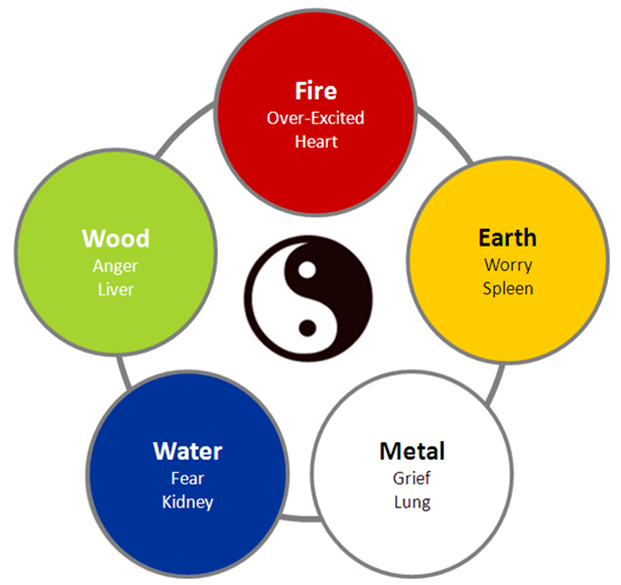
Anxiety, stress, and depression can have many negative impacts on not only day to day life, but also on organ function. In TCM, emotions are viewed as an integrated aspect of organ function, and sometimes can be the root cause of disease. The flow of Qi or energy can be interrupted by anxiety, stress, and depression. Anxiety, stress, and depression can occur separately or all together and can alternate between mild discomfort to almost uncontrollable panic with physical symptoms.

Anxiety

According to the Anxiety and Depression Association of America, anxiety disorders are the most common mental disorders in the United States. In TCM, anxiety can be linked to heat or qi in the head. Anxiety disorders have a complicated network of causes that can be linked to environmental factors or brain chemistry. Symptoms of anxiety include feeling nervous, having a sense of impending danger, increased heart rate, hyperventilation, feeling weak or tired, difficulty concentrating, trouble sleeping, and/or GI problems.

Stress

Stress is a biological response to demanding situations and causes the body to release hormones, such as cortisol and adrenaline. Many factors can trigger a stress response but some patients suffer from chronic stress in which their body is nearly always in a state of heightened alertness. Chronic stress puts pressure on the body for an extended time which can lead to many physical and psychological symptoms. Symptoms of chronic stress include irritability, fatigue, headaches, difficulty concentrating, disorganized thoughts, difficulty sleeping, changes in appetite, and/or frequent infections or illnesses. Over a long period, chronic stress can contribute to mental disorders as well as physical disorders such as heart disease, high blood pressure, depression, anxiety, diabetes, respiratory infections, and a weakened immune system. In TCM, chronic stress can cause a blockage of the energy flow that can then lead to depression.


Post-Traumatic Stress Disorder (PTSD) is a mental disorder triggered by traumatic events. Symptoms include recurrent, unwanted distressing memories of the traumatic event, reliving the traumatic event as if it were happening again (flashbacks), severe emotional distress, or physical reactions to something that reminds the patient of the event. Patients may also experience negative emotions, depression, problems with memory, difficulty maintaining close relationships, irritability, being always on guard, self-destructive behavior, and trouble concentrating and sleeping. Research has shown that the Default Mode Network (DMN) is disrupted in PTSD patients. DMN is a network of brain regions with many centers that are connected. DMN activities between those centers correspond to self-referential thought that is active when the brain is at wakeful rest and is deactivated when the individual is focused on the outside world. Disruption of the connectivity of this network by a traumatic experience causes an increase in the excitation of the activity centers and results in PTSD symptoms.

Depression

Diagnosed depression as a psychiatric disorder, is the manifestation of a low mood that is much more severe and persists longer than situations that typically make a person feel sad or lonely. Depression can be described as stagnant energy within the body that causes an imbalance in TCM. Symptoms of depression include fatigue, feelings of guilt, worthlessness, hopelessness, irritability, loss of interest in things once pleasurable, persistent anxious feelings, and/or suicidal thoughts/attempts. In TCM, the liver is the dominant organ that is responsible for governing the body’s emotions. Stress, anxiety, and depression can overheat the liver and cause a Qi stagnation. Long-term emotional distress can also affect other organ systems which leads to an imbalanced emotional state.


Login as practitioner to view Wellness Recommendation.

Condition of the Month-November 2019
Stress, Anxiety, and Depression

Login as practitioner to view Wellness Recommendation.


Anxiety, stress, and depression can have many negative impacts on not only day to day life, but also on organ function. In TCM, emotions are viewed as an integrated aspect of organ function, and sometimes can be the root cause of disease. The flow of Qi or energy can be interrupted by anxiety, stress, and depression. Anxiety, stress, and depression can occur separately or all together and can alternate between mild discomfort to almost uncontrollable panic with physical symptoms.

Anxiety

According to the Anxiety and Depression Association of America, anxiety disorders are the most common mental disorders in the United States. In TCM, anxiety can be linked to heat or qi in the head. Anxiety disorders have a complicated network of causes that can be linked to environmental factors or brain chemistry. Symptoms of anxiety include feeling nervous, having a sense of impending danger, increased heart rate, hyperventilation, feeling weak or tired, difficulty concentrating, trouble sleeping, and/or GI problems.

Stress

Stress is a biological response to demanding situations and causes the body to release hormones, such as cortisol and adrenaline. Many factors can trigger a stress response but some patients suffer from chronic stress in which their body is nearly always in a state of heightened alertness. Chronic stress puts pressure on the body for an extended time which can lead to many physical and psychological symptoms. Symptoms of chronic stress include irritability, fatigue, headaches, difficulty concentrating, disorganized thoughts, difficulty sleeping, changes in appetite, and/or frequent infections or illnesses. Over a long period, chronic stress can contribute to mental disorders as well as physical disorders such as heart disease, high blood pressure, depression, anxiety, diabetes, respiratory infections, and a weakened immune system. In TCM, chronic stress can cause a blockage of the energy flow that can then lead to depression.


Post-Traumatic Stress Disorder (PTSD) is a mental disorder triggered by traumatic events. Symptoms include recurrent, unwanted distressing memories of the traumatic event, reliving the traumatic event as if it were happening again (flashbacks), severe emotional distress, or physical reactions to something that reminds the patient of the event. Patients may also experience negative emotions, depression, problems with memory, difficulty maintaining close relationships, irritability, being always on guard, self-destructive behavior, and trouble concentrating and sleeping. Research has shown that the Default Mode Network (DMN) is disrupted in PTSD patients. DMN is a network of brain regions with many centers that are connected. DMN activities between those centers correspond to self-referential thought that is active when the brain is at wakeful rest and is deactivated when the individual is focused on the outside world. Disruption of the connectivity of this network by a traumatic experience causes an increase in the excitation of the activity centers and results in PTSD symptoms.

Depression

Diagnosed depression as a psychiatric disorder, is the manifestation of a low mood that is much more severe and persists longer than situations that typically make a person feel sad or lonely. Depression can be described as stagnant energy within the body that causes an imbalance in TCM. Symptoms of depression include fatigue, feelings of guilt, worthlessness, hopelessness, irritability, loss of interest in things once pleasurable, persistent anxious feelings, and/or suicidal thoughts/attempts. In TCM, the liver is the dominant organ that is responsible for governing the body’s emotions. Stress, anxiety, and depression can overheat the liver and cause a Qi stagnation. Long-term emotional distress can also affect other organ systems which leads to an imbalanced emotional state.
Login as practitioner to view Wellness Recommendation.


Explore Wei Laboratories